Faux Quartz Countertops: A Stylish and Affordable Alternative
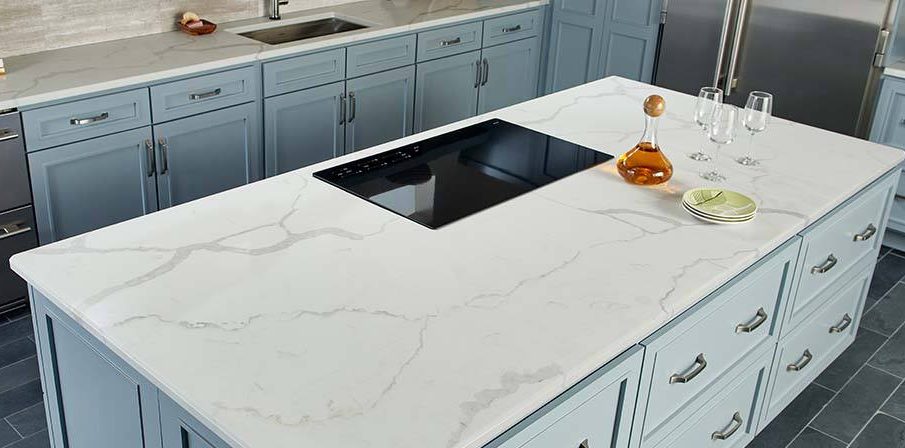
Faux quartz countertops have become a popular choice among homeowners and designers looking for the aesthetic appeal of natural quartz without the high price tag. These engineered surfaces offer the look and feel of quartz with added versatility and affordability. Understanding what makes faux quartz countertops an attractive option can help those seeking to upgrade their kitchens or bathrooms with a modern, durable surface that fits their budget.
What Are Faux Quartz Countertops?
Faux quartz countertops are typically made from engineered stone, combining crushed quartz with resins and pigments to create a surface that closely resembles natural quartz. While natural quartz is mined and cut from large slabs, faux quartz is manufactured in controlled environments, allowing for consistency in color, pattern, and quality. This manufacturing process enables faux quartz to mimic the natural beauty of quartz with added flexibility in design options.
Because faux quartz countertops are engineered, they offer certain advantages over natural stone. The blend of quartz and resin creates a surface that is non-porous, which resists staining, bacteria, and moisture. This makes them easier to maintain compared to other natural stone countertops that require regular sealing. The keyword “faux quartz countertops” captures this growing trend in kitchen and bathroom design, offering consumers a practical yet visually appealing alternative.
Benefits of Choosing Faux Quartz Countertops
One of the main reasons homeowners opt for faux quartz countertops is their affordability. Natural quartz surfaces can be expensive due to mining, transportation, and fabrication costs. Faux quartz allows for a more budget-friendly option while still delivering the appearance and durability associated with quartz. This affordability opens the door for more people to experience the elegance of quartz without overspending.
Faux quartz countertops are also praised for their durability. The resin component provides added flexibility and strength, making the surface less prone to cracking or chipping compared to some natural stones. The hardness of quartz combined with engineered enhancements means these countertops stand up well to everyday wear and tear. Whether for a busy kitchen or a frequently used bathroom, faux quartz countertops can handle the demands of daily use while maintaining their beauty.
In addition to durability and affordability, faux quartz countertops come in a wide variety of colors and patterns. Because the manufacturing process is customizable, manufacturers can produce unique designs that may not be available in natural quartz slabs. This offers homeowners more creative freedom when selecting countertops to complement their interior styles. From subtle marble-like veining to bold, solid colors, faux quartz countertops provide a diverse palette that can match any décor.
Comparing Faux Quartz to Other Countertop Materials
When considering countertop options, it’s important to understand how faux quartz countertops compare to other popular materials such as granite, marble, and solid surface countertops. Granite is well known for its natural beauty and uniqueness, but it requires regular maintenance and sealing. Faux quartz, being non-porous, does not need sealing and resists stains better, making it more convenient in the long run.
Marble countertops are admired for their luxurious look, but they tend to be softer and more susceptible to scratches and stains. Faux quartz can replicate the elegant appearance of marble but offers greater resilience, making it a practical alternative for families and busy kitchens.
Solid surface countertops made from acrylic or polyester resins are seamless and easy to repair, but they don’t offer the same level of hardness and heat resistance as faux quartz countertops. The quartz content in faux quartz surfaces gives them a tougher composition, which improves their longevity and usability in high-traffic areas.
For those seeking a balance between aesthetics, cost, and performance, faux quartz countertops provide an excellent middle ground. The keyword “faux quartz countertops” should be considered when looking for surfaces that combine the beauty of natural stone with engineered advantages.
Installation and Maintenance Tips for Faux Quartz Countertops
Installing faux quartz countertops requires professional expertise to ensure proper fit and finish. Because these countertops come in slabs or large panels, careful measurement and cutting are essential. Many suppliers offer a range of edge profiles and thicknesses to customize the look. During installation, precision is key to creating smooth seams and an attractive overall appearance.
Once installed, maintaining faux quartz countertops is relatively simple. Their non-porous nature means they resist common household stains from coffee, wine, or cooking oils. Regular cleaning with mild soap and water is sufficient to keep the surface looking new. Avoiding harsh chemicals or abrasive pads helps preserve the countertop’s finish.
It is also important to use cutting boards and trivets to prevent damage. Although faux quartz is durable, sharp knives and extreme heat can cause scratches or discoloration over time. By taking simple precautions, homeowners can enjoy the lasting beauty and functionality of their faux quartz countertops for many years.
Faux quartz countertops have become a popular keyword in the world of kitchen remodeling due to their combination of style, affordability, and low maintenance. As more people seek high-quality alternatives to natural stone, these engineered surfaces continue to grow in demand.