Why Door Locks Fail and How to Maintain Them
Locking mechanisms may serve faithfully, sometimes for a very long time, until one day they don’t. When that happens, among other things, the question of proper maintenance also arises.
All in all, if you don’t want your door locks failing you, and at the worst possible time, then giving your home security the attention it deserves is simply a must.
Here’s everything you need to know about why door locks fail and how to maintain them.
What Are The Most Common Reasons for Door Lock Failures
The most common culprit when locks fail is usually wear and tear. That’s because all those times you twist your key, putting pressure on the lock, eventually take their toll.
The capricious weather doesn’t help either. High humidity or extreme cold can leave outdoor locks rusty or even frozen. And standing outside in the freezing cold, fiddling with a lock that just won’t budge is no fun at all.
Then there are issues of incorrect installation. A lock that wasn’t fitted properly might not line up properly, making it quite difficult to operate. Worse still, a dodgy lock could be an open invitation for burglars, who are constantly on the lookout for easy targets.
Ignoring these problems could lead to bigger ones, like getting robbed, locked out or even trapped inside. So, it’s wise to tackle lock troubles early and give your home security the attention it deserves.
Why Regular Lock Lubrication Is So Important
Keeping your door locks working well means none of the scenarios above occur. A simple solution to ensure they work well is to lubricate them regularly.
That’s because door locks can get stiff or even jam without it. To keep things running smoothly, try using graphite powder or silicone spray. Just stick the nozzle in the keyhole, spray a little, and turn the key a few times to spread it all around.
This is really important, especially in damp places, where rust is pretty common. Ideally, you should lubricate locks every six to twelve months to have them working smoothly and avoid the nightmare of a snapped key.
Plus, well-lubed locks last longer, which means you’ll be saving money from repairs in the future if you only introduce this simple and quick habit to your routine. So, give it a shot and see how it helps not only to keep your home safe and secure but also saves you money as well.
How Dirt and Debris Impact Locks
While your locking mechanisms are pretty tough, dirt and gunk can mess them up over time. If these things get stuck inside, without you addressing them, your lock might jam at some point.
And being locked out is not a nice feeling, especially in the cold or the rain.
That’s what can happen if you don’t clean your locks. However, it’s easy to take care of that. Just wipe the outside with a soft cloth now and then, and use a can of compressed air to clear out the dirt inside. Taking a few minutes to do this can keep your locks working great for longer.
Plus, clean locks mean fewer headaches and better home security.
The Role of Weather Conditions in Lock Performance
The elements really determine how well door locks work, especially the outer ones. After all, they have to deal with rain, snow, and different temperatures, which can cause rust, freezing, or contraction or expansion of the lock and even the door itself.
One easy tip is to use weatherproof covers, like plastic or rubber, to keep rain and moisture out. In colder places, applying de-icer before winter hits can prevent locks from freezing.
These little tricks are not only cheap but easy to do, helping your locks work smoothly and last longer, even in capricious weather.
Fix Loose Screws and Fittings
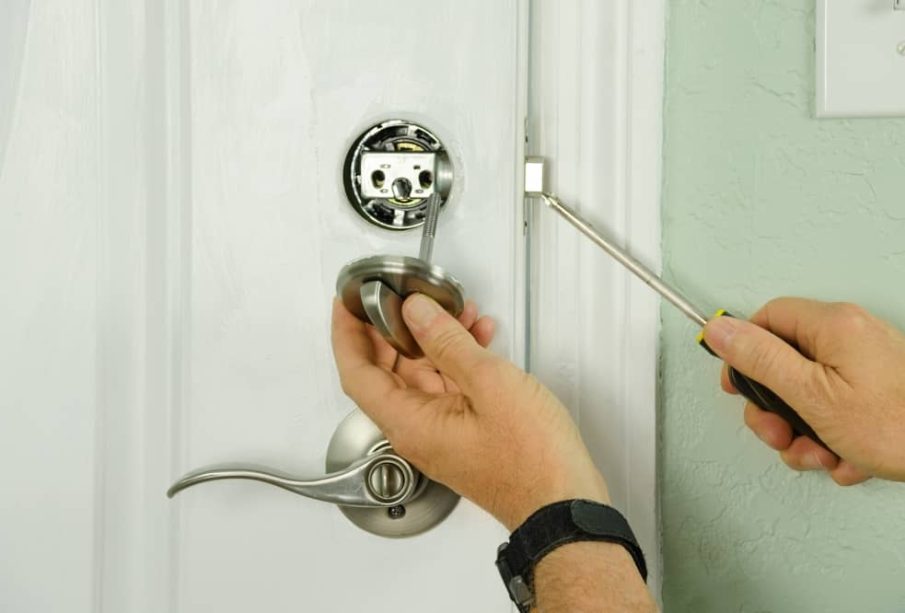
To keep your locks ticking over nicely and your home secure, you might want to give the screws and fittings a once-over every now and then. You know how it is—things can get a bit loose, leaving your lock feeling a tad wonky.
Luckily, you don’t need anything fancy—just a trusty screwdriver and maybe a hex key, which you’ll likely have tucked away somewhere.
Start with a quick visual check. See if there’s any wobbling or rattling around the lock. If you spot a loose screw, tighten it up, but do it gently—you don’t want to strip the threads. A handy tip is to pop the key in and give it a gentle turn as you tighten, so you can feel the latch settle.
Doing this every six months is a small effort with a big payoff. It’s not that hard either—just a quick twist to keep everything in tip-top shape and your home a bit more secure.
When to Call a Locksmith
When your door locks start acting up, trying to fix them yourself sometimes might make things worse, especially if you’ve never done it before.
So, calling in a pro locksmith for tricky jobs like changing or rekeying locks is not only smart, it’s much quicker. They have the expertise and tools to handle complex tasks, ensuring everything works without any DIY disasters.
On top of that, locksmiths tend to do more than just fix things. They can spot issues you might miss and fix them to boost your home’s security. Plus, they can give you handy tips on whether you need a small tweak or a big upgrade to keep things secure.
In some cases, getting a locksmith can even save you money. They help prevent repeat repairs, keeping your locks working well and leading to long-term savings.
And, if you live in the capital, then hiring a qualified London locksmith is definitely worth it, as not only do they know their work areas well, but they can also recommend personalised security improvements to ensure maximum safety for your home and belongings.
Conclusion
Locks wear out over time–it’s just how it is–thanks to many factors, like the weather or irregular upkeep. However, being vigilant about the state of your home security and spotting problems early can make a big difference.
And remember that if things get tricky, you can always call in a locksmith to take care of the issue. Getting into these habits above means that you can dodge expensive fixes later and keep your door locks intact and working well.
Good luck and stay safe!