A Comprehensive Guide to High Performance Roofing for Long Term Protection
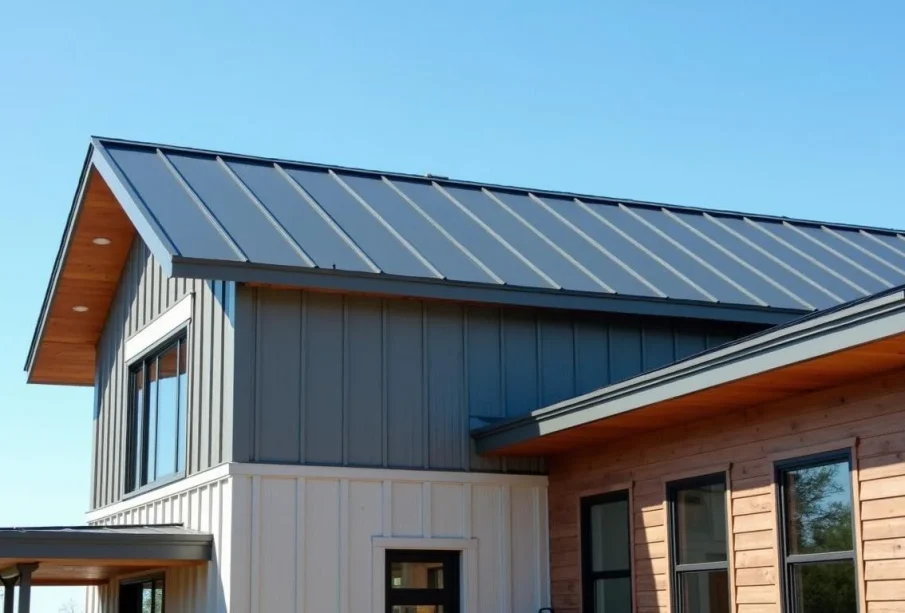
A home’s roofing system is one of its most critical structural components. It protects against weather, stabilizes indoor temperatures, controls moisture, and influences both energy efficiency and curb appeal. Mentioning the keyword roofing early reinforces the importance of understanding how this part of the home functions, not simply as a visible surface but as a layered protective envelope. A well designed roof increases lifespan, strengthens structural integrity, and enhances the livability of the entire property.
Understanding the Core Purpose of a Roofing System
A roof does far more than shield the interior from rain. It acts as a thermal barrier, a moisture regulator, a structural anchor, and a defining architectural feature. When homeowners recognize the purpose behind every roofing layer, it becomes easier to make informed decisions about materials, insulation, ventilation, and long term maintenance.
Protection Against Environmental Forces
Roofs endure constant exposure to harsh elements. Rain, wind, UV rays, snow, hail, and temperature fluctuations all affect durability.
A strong roofing system must withstand:
- Heavy rainfall without leaking
- Wind pressure that can lift or displace shingles
- Intense sunlight that degrades materials over time
- Freezing temperatures that cause expansion and contraction
- Debris impact from storms or falling branches
This constant environmental stress makes quality roofing materials essential for long term home performance.
Thermal and Moisture Regulation
Roofing contributes heavily to indoor comfort. Its thermal properties determine how efficiently a home maintains temperature.
A well designed roof:
- Reduces heat gain in summer
- Minimizes heat loss in winter
- Prevents moisture buildup in attic spaces
- Supports proper ventilation to avoid mold or rot
Roofing systems that fail to regulate heat and moisture lead to increased energy costs and deteriorating materials.
The Anatomy of a High Performing Roofing System
Understanding the layered structure of roofing helps homeowners appreciate why each component matters. A roof is not a single unit but a collection of working parts.
Structural Decking
The decking forms the foundation that supports all roofing materials. Common materials include plywood or oriented strand board.
Effective decking must:
- Be securely fastened to resist uplift
- Provide a stable surface for shingles or panels
- Remain flat and structurally sound over time
Weak decking compromises the entire roofing structure.
Underlayment and Weather Barriers
Underlayment is the second line of defense. This moisture resistant layer sits between the decking and the outer roof covering.
High quality underlayment:
- Prevents water infiltration during storms
- Acts as insulation against extreme temperatures
- Reduces damage from ice dams
- Provides backup protection if shingles or panels fail
Synthetic underlayments offer improved durability and tear resistance compared to older materials.
Roof Covering Materials
The visible roof surface is what most homeowners focus on, but its performance depends on underlying support. Material options vary by climate, style, and budget.
Different roof coverings respond differently to environmental conditions, so selection should be based on long term strength rather than trend appeal.
Roofing Materials and Their Performance Characteristics
Each roofing material has unique strengths, maintenance needs, and life expectancy. Making an informed choice requires understanding how these materials behave over time.
Asphalt Based Roofing
This is a widely used option due to cost efficiency and moderate durability. Modern asphalt shingles offer improved granule retention and weather resistance.
Performance benefits include:
- Strong resistance to UV exposure
- Ability to withstand heavy rainfall
- Multiple color and profile options
- Moderate weight that suits most structures
However, they require proper ventilation to prevent curling or premature aging.
Wood Roofing Options
Wood shakes and shingles provide natural insulation and an organic aesthetic.
Their performance advantages involve:
- Superior airflow compared to dense materials
- Strong thermal properties
- Flexibility in adapting to temperature changes
Regular treatment is necessary to resist moisture and insects.
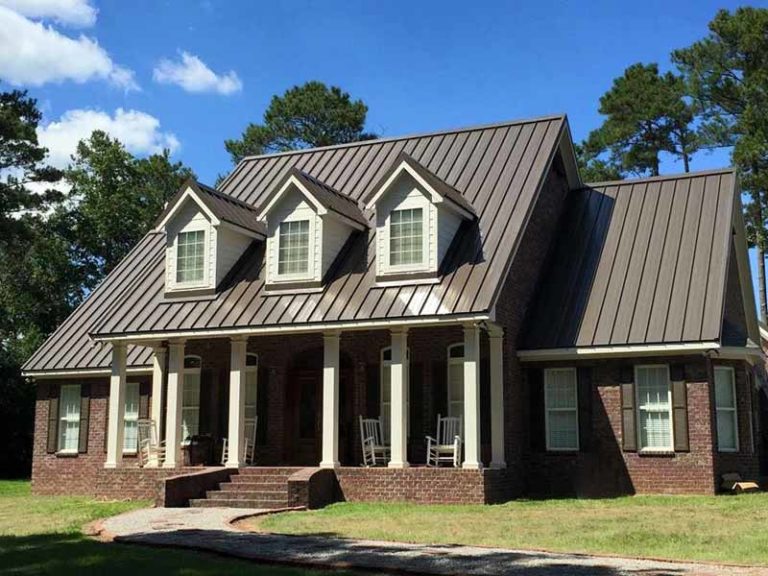
Metal Roofing Systems
Metal roofs provide exceptional longevity and structural strength.
Key benefits include:
- High wind resistance
- Excellent shedding of snow and rain
- Reflective properties that reduce heat absorption
- Low maintenance after installation
Metal systems also offer extensive design flexibility.
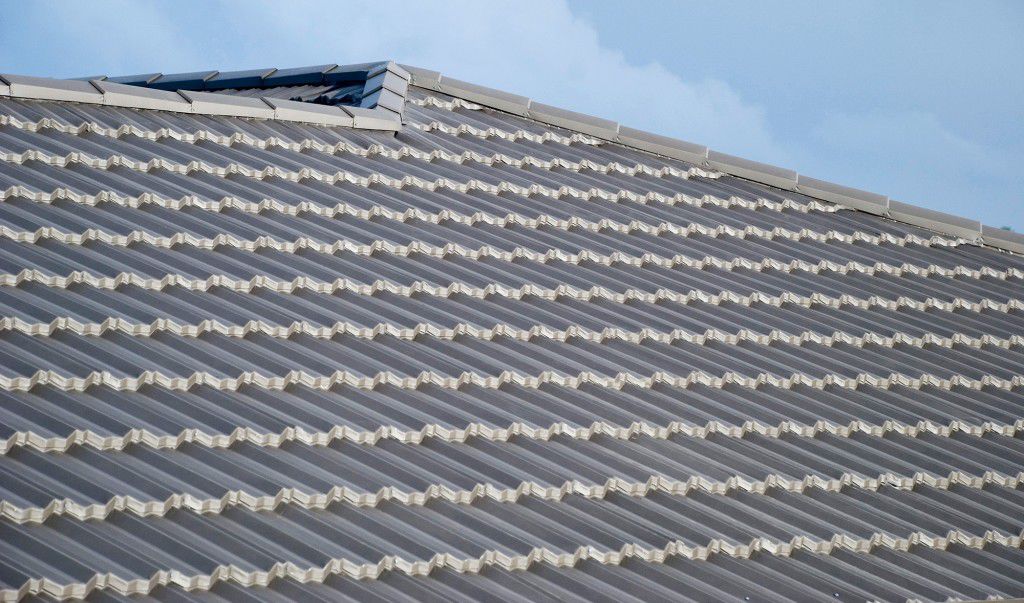
Clay or Concrete Based Roofing
These materials are known for durability and fire resistance.
Major advantages include:
- Long lifespan
- Strong resistance to salt air, making them ideal for coastal environments
- Natural temperature regulation
Their weight requires reinforced roof framing.
Ventilation as a Performance Requirement
Proper ventilation often determines how long a roof lasts. Without airflow, trapped moisture damages insulation, roofing materials, and internal structures.
The Importance of a Balanced Ventilation System
A balanced system includes both intake and exhaust vents.
Ventilation supports:
- Cooler attic temperatures during summer
- Reduced strain on HVAC systems
- Prevention of moisture buildup and mold
- Longer lifespan for shingles or roofing panels
Vents must be sized correctly based on attic square footage and climate.
Common Ventilation Types
Different homes require different venting approaches.
Options include:
- Ridge vents for continuous upper circulation
- Soffit vents for intake airflow
- Gable vents for cross ventilation
- Powered vents for high humidity areas
Selecting the right combination ensures proper air distribution.
Insulation and Energy Efficiency
Insulation plays a major role in how effectively a roof stabilizes indoor temperature.
Choosing the Right Insulation
Several insulation types can be used beneath or within roof structures.
Popular choices include:
- Fiberglass batts for affordability and accessibility
- Spray foam for air sealing and moisture control
- Rigid foam boards for high R value performance
Access to the attic and existing framing determines what insulation will work best.
Reducing Energy Loss
Insulation impacts heating and cooling costs.
Effective insulation:
- Reduces energy waste
- Creates a consistent indoor climate
- Supports HVAC efficiency
- Minimizes hot and cold spots throughout the home
Combining insulation with reflective roofing materials enhances energy savings.
Architectural Considerations for Roofing Design
Roof structure is a major architectural feature. Its shape affects drainage, wind load, aesthetics, and material performance.
Roof Pitch and Its Importance
Pitch determines how quickly water and snow shed off the roof.
High pitch roofs:
- Shed snow faster
- Allow for stronger attic ventilation
- Are more visible and architectural
Low pitch roofs: - Require sealed coverings
- Are suitable for contemporary architecture
- Demand precise installation to avoid pooling
Pitch impacts both the look and durability of the home.
Roofline Styles and Their Functional Influence
Different roof styles offer different advantages.
Examples include:
- Gable roofs for simple construction and strong drainage
- Hip roofs for improved wind performance
- Flat roofs for modern designs and outdoor living spaces
- Mansard roofs for additional interior space
Choosing the right style improves both function and aesthetics.
Drainage Systems and Water Management
A roof must guide water away from the structure to prevent damage.
Designing Effective Drainage
Drainage includes gutters, downspouts, and proper grading.
Key components:
- Gutters sized to handle local rainfall volume
- Downspout placement that prevents basement flooding
- Leaf guards to reduce debris buildup
- Proper slope to avoid standing water
Water management protects foundations and exterior walls.
Ice Dam Prevention
Cold climates require strategies to avoid ice dams.
These include:
- Improved insulation to prevent heat escape
- Adequate attic ventilation
- Ice and water shields beneath shingles
Ice dams cause leaks and structural damage if not addressed proactively.
Roofing Maintenance and Longevity
Even the best roof requires proper maintenance to reach its full lifespan.
Routine Inspections
Regular inspections catch early warning signs.
Inspect for:
- Loose or missing shingles
- Damaged flashing
- Blocked gutters
- Moss or algae growth
Addressing issues early prevents expensive repairs.
Seasonal Care
Weather seasonality impacts roof health.
Seasonal maintenance may involve:
- Clearing snow loads
- Cleaning gutters before heavy rain seasons
- Removing debris after storms
Seasonal upkeep protects structural integrity and maintains performance.
Frequently Asked Questions
How often should a roof be inspected
Most roofs benefit from a professional inspection once a year, plus additional checks after severe storms. Early detection prevents major structural issues.
What is the best roofing material for high wind areas
Metal roofing and certain reinforced shingles perform exceptionally well in strong wind zones. Their fastening systems resist uplift and maintain stability.
How can I improve roof ventilation in an older home
Adding ridge vents, upgrading soffit vents, or installing attic fans can significantly improve airflow. A balanced system helps regulate temperature and moisture.
Why does my roof develop dark streaks or algae
Dark streaks are often caused by moisture retaining materials or airborne spores. Regular cleaning and proper ventilation can minimize discoloration over time.
What signs indicate that a roof needs replacement
Persistent leaks, sagging areas, widespread shingle damage, visible deck rot, and granule loss all signal that replacement may be necessary.
If you want, I can also create a version focused on commercial roofing, climate specific roofing solutions, or modern architectural roof design.