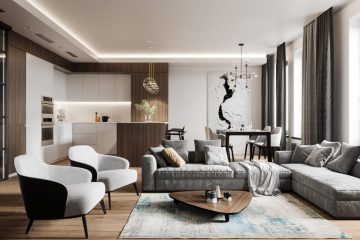
The Complete Guide to Furniture: Craftsmanship, Functionality, and Modern Design
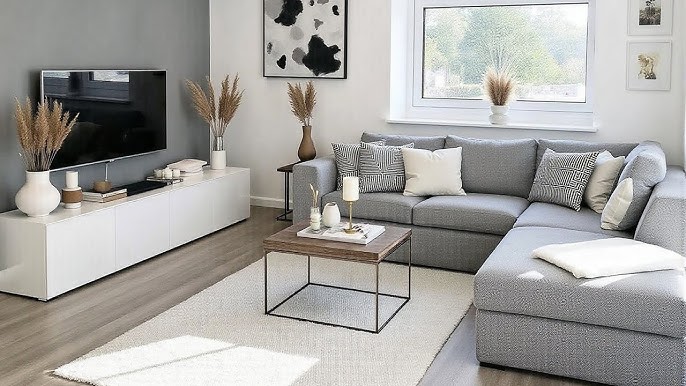
Furniture shapes how people live, work, rest, and interact. It influences comfort, reflects personal style, and serves as a defining component of interior spaces. In today’s market, furniture has evolved beyond basic utility into a blend of art, engineering, and lifestyle expression. Understanding what makes exceptional pieces stand out can help homeowners, designers, and businesses make informed investments that last.
Understanding the Purpose of Furniture in Modern Living
Furniture plays a central role in organizing the physical environment. Within the first considerations of any space, the selection of furniture helps establish flow, comfort, and visual harmony. As lifestyles change, furniture continues adapting, embracing concepts such as multifunctionality, ergonomic support, and sustainable design. Because of this evolution, the term furniture carries deeper meaning than mere fixtures; it represents an intentional design approach to how people inhabit spaces.
In the modern era, furniture contributes to wellness, productivity, and overall environmental experience. It creates structure by dividing open layouts, improves efficiency in work settings, and enhances relaxation in homes. The right choice can even influence mood, behavior, and daily enjoyment of a space.
The Core Categories of Furniture
Furniture can be broadly classified into several categories based on use and design intention. Each category demands different materials, construction techniques, and design priorities.
Seating
Seating forms the foundation of comfort in both residential and commercial environments. Quality seating offers support, durability, and visual balance.
Key characteristics include:
- Supportive frames made from hardwood or reinforced metals
- Cushions featuring high-density foam or advanced ergonomic materials
- Fabrics designed for longevity and stain resistance
- Proportions that accommodate various body types for proper posture
Storage
Storage pieces help maintain organization while contributing to the aesthetic of a room.
Essential storage elements:
- Smooth drawer glides and reinforced joints
- Moisture-resistant wood treatments for long-term durability
- Adjustable shelving for versatile use
- Clean lines or ornate detailing depending on design preference
Surfaces
Tables, desks, and other surfaces create functionality and focal points within living or working areas.
Common features include:
- Sturdy support structures designed to minimize wobble
- Scratch-resistant finishes
- Heat- and moisture-resistant seals on high-use surfaces
- Balanced proportions that suit the scale of the room
Sleeping Furniture
Beds summarize the intersection of comfort and engineering. A strong frame, supportive slats, and a quality mattress foundation all play a role.
Important considerations:
- Reinforced joinery for stability
- Breathable platforms to support airflow
- Height and accessibility suited to the user’s needs
- Headboard materials that complement room decor
Materials That Define Quality Furniture
The materials used in furniture greatly influence its longevity, appearance, and environmental impact. Understanding material differences helps buyers determine which pieces will endure daily use.
Wood
Wood remains a hallmark of quality craftsmanship. Solid hardwoods such as oak, maple, walnut, and cherry are prized for strength, grain richness, and repairability.
Benefits of hardwood furniture:
- Natural durability
- Ability to be refinished
- Timeless appearance that adapts to design trends
- High structural stability
Engineered woods like plywood or MDF offer affordability and uniformity but vary in performance based on construction quality.
Metal
Metal furniture components provide rigid support and clean aesthetics. Steel, iron, and aluminum are commonly used.
Metal advantages:
- Excellent load-bearing capacity
- Long life span with minimal maintenance
- Modern and industrial styling options
Upholstery Fabrics
Upholstered furniture balances comfort and practicality.
Common fabric categories:
- Performance fabrics engineered to resist stains
- Natural fibers like cotton and linen
- Leather, prized for durability and character
- Blended materials designed for both aesthetics and ease of care
Glass and Stone
These materials contribute weight, elegance, and visual appeal.
Glass is often used for:
- Contemporary tables
- Shelving
- Decorative features
Stone options such as marble or quartz add luxury and resistance to heat and wear.
The Craftsmanship Behind Exceptional Furniture
High-quality furniture stands apart through craftsmanship. The methods used to join pieces, shape materials, and finish surfaces all influence durability and appearance.
Joinery Techniques
Masterful joinery ensures pieces remain stable for decades.
Common superior joinery types include:
- Dovetail joints in drawers
- Mortise-and-tenon framing
- Finger joints that create strong interlocking support
- Reinforced corner blocks
Finishing Processes
A well-applied finish protects wood and enhances its depth. The best finishes undergo multiple sanding and coating phases, resulting in smooth textures that withstand everyday use.
Notable finishing qualities:
- UV-resistant protective coats
- Hand-rubbed oils or waxes for natural warmth
- Sealants that guard against moisture and stains
Handmade vs Machine-Made
Handcrafted pieces often carry unique detail and heritage value, while machine-made furniture offers precision and consistency. The ideal selection depends on the buyer’s priorities and budget.
How Modern Living Shapes Furniture Trends
Contemporary furniture design shifts to match evolving lifestyles and technological advancements.
Multifunctional Design
Compact living arrangements call for pieces that offer multiple uses:
- Storage beds
- Expandable dining tables
- Modular sofas that reconfigure easily
- Hybrid desks with built-in charging solutions
Ergonomics
Health-conscious furniture focuses on proper support and body alignment. Ergonomic chairs, adjustable desks, and posture-friendly sofas help reduce physical strain, especially in work-from-home environments.
Sustainability
Eco-conscious buyers increasingly seek materials that prioritize environmental responsibility.
Sustainable elements include:
- Reclaimed lumber
- FSC-certified wood
- Low-VOC finishes
- Upholstery made from recycled fibers
Smart Furniture Integration
Technology now plays a role in furniture design. Wireless charging surfaces, integrated lighting, power modules, and built-in storage for devices create streamlined convenience.
Choosing Furniture for Different Rooms
Every room serves a distinct purpose, which means furniture must be selected carefully to match function.
Living Room
The living room acts as a gathering space, making comfort and style equally important.
Key pieces include:
- Sofas and sectionals
- Accent chairs
- Coffee and side tables
- Media consoles
- Area rugs to anchor seating arrangements
Bedroom
A peaceful bedroom relies on balanced furniture that promotes rest and organization.
Typical bedroom needs:
- Bed frames with strong support slats
- Nightstands at comfortable height
- Dressers with smooth drawer operation
- Soft lighting integrated into the furniture plan
Dining Room
Dining furniture fosters connection, making it essential to choose pieces that withstand daily use.
Important dining room features:
- Tables with sturdy bases
- Seating that encourages comfort during long meals
- Storage such as buffets or sideboards
- Surfaces that resist scratches and allergens
Home Office
With remote work becoming common, thoughtful office furniture enhances productivity.
Core items include:
- Adjustable ergonomic chairs
- Desks with cable management
- Bookshelves and filing solutions
- Task lighting for focused work
What to Look for When Buying Long-Lasting Furniture
Consumers can make better investments by evaluating a few essential criteria.
Structural Integrity
Quality pieces feel stable, show no signs of wobbling, and feature strong joinery.
Material Quality
Look for hardwood frames, reinforced metals, and durable fabrics that match the room’s usage demands.
Warranties
Strong warranties reflect the manufacturer’s confidence in their craftsmanship.
Practical Function
Furniture should serve daily routines efficiently and comfortably.
Aesthetic Longevity
Timeless designs tend to age gracefully and adapt to changing decor trends.
Maintenance Tips to Extend Furniture Life
Proper care ensures that furniture continues to perform and look beautiful for years.
Useful practices:
- Dust wood surfaces regularly with soft cloths
- Condition leather upholstery to avoid cracking
- Rotate cushions to maintain shape
- Keep furniture away from direct sunlight to prevent fading
- Use coasters and placemats to protect surfaces
Frequently Asked Questions
How can I tell if wood furniture is high quality?
Look for solid hardwood construction, tight joinery, even grain patterns, and a smooth finish. High-quality wood pieces often feel heavier and show consistent craftsmanship across all surfaces, including drawer interiors.
What types of furniture work best for small spaces?
Multifunctional pieces, such as storage ottomans, wall-mounted desks, expandable tables, and modular seating, help maximize limited square footage without compromising comfort.
Are performance fabrics worth the investment?
Yes, performance fabrics resist stains, moisture, and wear, making them ideal for families, pets, and high-traffic areas. They maintain a clean look longer than many traditional materials.
How do I maintain metal furniture?
Use mild soap and warm water to clean metal surfaces. Avoid abrasive scrubs, and periodically check for loose screws or fittings to ensure long-term stability.
What furniture upgrades improve home value?
Well-crafted kitchen islands, built-in storage, high-quality bedroom sets, and modern office configurations can positively influence both everyday living and property appeal.
If you’d like, I can also create a buyer’s checklist, room-specific design layouts, or a custom guide tailored to your preferred furniture style.