The Ultimate Church Furniture Buying Guide: What Every Building Committee Needs to Know
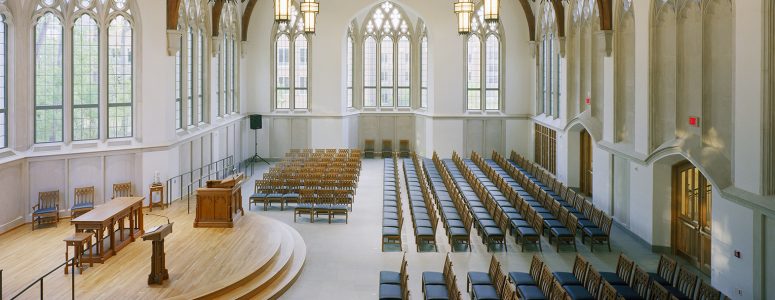
A practical resource for churches, synagogues, and houses of worship planning a seating renovation or new build.
When a congregation outgrows its space, launches a renovation campaign, or moves into a new building, one of the most important decisions a building committee will face is choosing the right seating. It sounds straightforward. In practice, it involves a lot more than picking a style you like from a catalog.
The right seating decision touches everything: how comfortable your congregation feels during services, how well everyone can see the altar or bimah, how accessible the space is for members with mobility needs, and how well the furniture holds up over the next 30 to 50 years.
This guide is designed to help building committees, facilities managers, and church administrators think through the process clearly, ask the right questions, and move forward with confidence.
Start With Your Space, Not Your Style
The most common mistake building committees make is falling in love with a furniture style before they have fully evaluated the layout. Style matters, but your worship space has physical constraints that have to come first.
Before anything else, consider:
Seating capacity. How many people do you need to seat on a typical Sunday? What about during major holidays or special services? Understanding your realistic capacity needs, not just your peak needs, will help guide decisions about configuration and layout.
Floor plan and sightlines. Does your space have a traditional rectangular layout, or is it fan-shaped, curved, or semicircular? Sightlines are critical. Every member of your congregation should be able to see clearly without craning their neck. A fan-shaped or rounded sanctuary, for example, is an ideal candidate for radius-curved pews, which follow the arc of the room and keep sightlines natural and unobstructed.
Traffic flow and accessibility. Where are the main entrances and exits? Where does communion take place? How do people move through the space during services? These patterns affect aisle placement, row spacing, and how you configure accessible seating.
Structural elements. Columns, support beams, sloped floors, balconies, and elevated chancel areas all affect what seating configurations are practical. A good furniture manufacturer will work through these details with you during the planning stage.
Pews vs. Chairs: Understanding the Real Differences
One of the first decisions most building committees wrestle with is whether to go with pew seating or individual chairs. Both are valid options, but they are not equal in all contexts, and the right choice depends on how your congregation uses the space.
Pew seating is the traditional choice for most denominational churches, synagogues, and houses of worship with fixed, dedicated worship spaces. Pews offer a timeless aesthetic, typically accommodate more people per linear foot than chairs, and when well-built, can last generations with proper care. For synagogues, pew-style bench seating remains the standard in most sanctuaries.
Upholstered pews add comfort without sacrificing the traditional look. Rather than loose pads placed on top of the pew, upholstered pews are built with cushioning integrated directly into the structure. The result is a cleaner appearance, more durable seating surface, and a comfortable experience for your congregation during longer services.
Church chairs offer more flexibility, particularly in spaces that serve multiple purposes throughout the week. Upholstered hardwood chairs with coordinating finishes can match the aesthetic of a traditional worship space while allowing the room to be reconfigured when needed.
For most congregations worshipping in a dedicated sanctuary, pew seating is a natural fit. For multi-use spaces that transform throughout the week, individual seating offers the flexibility those environments require.
Understanding Curved Pews
If your sanctuary has a curved, fan-shaped, or semicircular floor plan, you may have already noticed that standard straight pews create gaps, awkward angles, and sightline problems. This is where radius-curved pews make a significant difference.
Radius-curved pews are built to follow the specific arc of your room. Rather than forcing straight furniture into a curved space, the pews are designed and manufactured to match the exact geometry of the floor plan. The result is seating that feels intentional, fits the architecture naturally, and keeps every seat properly oriented toward the front of the room.
Curved pew manufacturing requires specialized expertise. Not every furniture manufacturer has the capability to produce them accurately or at scale. When evaluating manufacturers, ask specifically about their experience with curved pew installations, how they handle the design and layout process, and whether they can accommodate your specific radius requirements.
Key Materials and Construction Considerations
Not all church furniture is built the same way, and the materials and construction methods used will determine how long your investment lasts.
Wood species. Common options for church pews and sanctuary furniture include red oak, white oak, cherry, walnut, and maple. Each has distinct visual characteristics and grain patterns. Your choice should reflect both the aesthetic of your sanctuary and the durability needs of heavy use over time. Ask your manufacturer to walk you through how each species performs and how it holds a finish.
Construction methods. Quality furniture uses joinery techniques that hold up under constant use. Mortise-and-tenon construction, for example, creates strong, durable joints that do not rely solely on fasteners. Ask manufacturers how they approach structural integrity, especially for pews that will carry decades of use.
Upholstery. For upholstered pews and chairs, fabric selection matters. Polyolefin fabrics are a popular choice for high-traffic worship environments because of their durability, fade resistance, and ease of cleaning. High-density foam provides long-term comfort without breaking down quickly. Ask about cleaning and maintenance requirements before making a fabric selection.
Finish. The stain and finish on your furniture affects both its appearance and its longevity. A well-applied finish protects the wood from moisture, wear, and sunlight. Look for manufacturers who apply multiple finish coats and use commercial-grade materials.
Accessibility and Inclusive Design
ADA compliance is not optional, and inclusive seating design goes beyond simply meeting the legal minimum. A well-planned worship space makes every member of the congregation feel welcome regardless of mobility or physical need.
Key considerations include:
Wheelchair spaces. Building codes require a minimum number of accessible spaces based on total seating capacity. These spaces must be on a flat surface, accessible via accessible routes, and distributed throughout the seating area so that wheelchair users are not isolated in one section. Your manufacturer and architect should both be involved in planning this layout.
Companion seating. Accessible spaces should include adjacent companion seating so that wheelchair users can sit alongside family members and friends rather than being separated from them.
Aisle width. Main aisles in accessible worship spaces should meet minimum width requirements. Consult with your architect or accessibility consultant to confirm your layout meets both local code and ADA requirements.
Pew end design. Some pew end configurations allow for easier access by people with mobility challenges. Discuss this with your furniture manufacturer during the design phase.
Working With a Furniture Manufacturer: What to Expect
Selecting the right manufacturer is as important as selecting the right furniture. Here is what a strong working relationship with a church furniture manufacturer should include:
Design collaboration. Your manufacturer should be willing to work through the layout with you, provide drawings, and help you visualize options before anything goes into production. If you are working with an architect or interior designer, your manufacturer should be able to coordinate with them directly.
Accurate lead times. Custom furniture takes time. A reputable manufacturer will give you a realistic production schedule upfront, accounting for material sourcing, fabrication, finishing, and delivery logistics. Build this timeline into your overall project plan and communicate it clearly to your congregation.
Professional installation. Delivery and installation are not afterthoughts. Proper installation ensures that pews are level, anchored correctly, and positioned accurately within the space. Ask whether installation is included in your quote and who is responsible for the work.
Post-installation support. Good manufacturers stand behind their work. Ask about warranties, how to handle repairs or touch-ups, and what maintenance practices will extend the life of your furniture.
A Note on Refinishing and Restoration
Not every project starts from scratch. Many congregations are working with existing pews that have sentimental value, historical significance, or sound structural bones underneath years of wear. In these cases, refinishing or restoration may be the right path.
A skilled furniture manufacturer can evaluate the condition of your existing pews, identify what can be repaired or refinished, and help you determine whether refinishing or replacement makes more sense given your timeline, budget, and goals. This approach, sometimes called creative reuse, honors what exists while bringing it back to its best condition. It is a practical, meaningful option for congregations committed to stewardship.
Questions to Ask Before You Sign a Contract
Before you commit to a manufacturer, make sure you have clear answers to the following:
- Can you work with our specific floor plan and provide layout drawings?
- What wood species, finishes, and upholstery options are available?
- Do you manufacture curved or radius pews, and what is your experience with them?
- What is your typical lead time for a project of this scope?
- Do you handle delivery and professional installation?
- What warranty do you offer, and what does it cover?
- Can you provide references or examples of completed installations similar to ours?
Taking the time to ask these questions before signing anything will save your committee significant stress and protect your congregation’s investment.
Final Thoughts
Choosing church furniture for a renovation or new build is a meaningful responsibility. The decisions made by your building committee will shape how your congregation worships, connects, and feels in that space for decades to come. By approaching the process thoughtfully, asking the right questions, and working with a manufacturer who understands both the practical and spiritual weight of the work, you can create a sanctuary that serves your congregation well for generations.
Whether you are planning seating for a small chapel, a large synagogue sanctuary, or a multi-level worship space with balcony seating, the fundamentals are the same: start with your space, prioritize comfort and accessibility, choose quality materials and construction, and work with a team that treats your project with the care it deserves.