Bay Area ADU Construction: Expanding Living Space with Smart Design
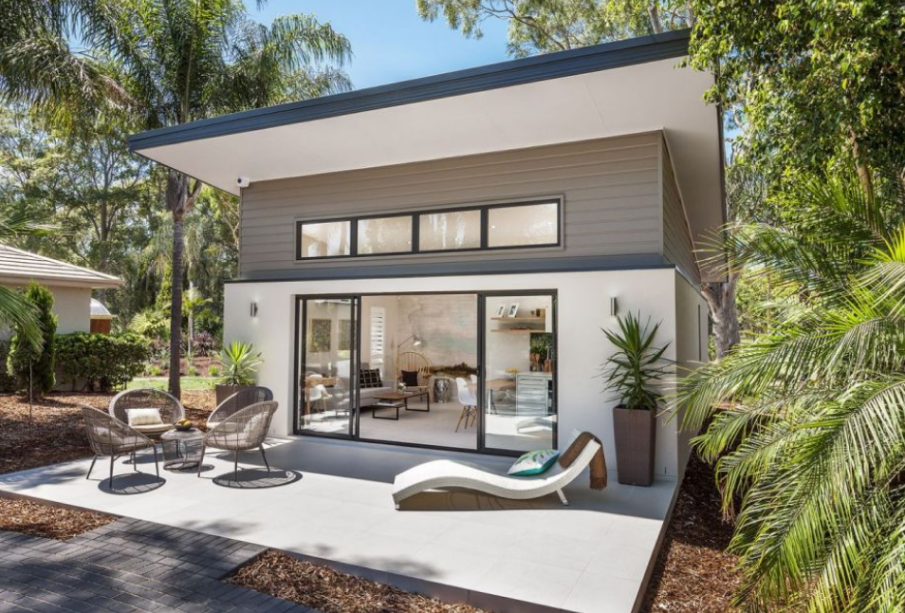
The Bay Area has always been a place of innovation and adaptation, and housing is no exception. With rising property prices and limited space for new developments, many homeowners are looking for creative solutions to add value to their properties. Bay Area ADU construction has emerged as one of the most practical and efficient ways to meet these needs. An accessory dwelling unit, often called a backyard cottage, in-law suite, or secondary home, provides a flexible living solution that fits seamlessly into the unique housing landscape of the region.
Why ADUs Are Transforming Housing in the Bay Area
The demand for housing across California has placed immense pressure on cities like San Francisco, Oakland, and San Jose, where space is limited and affordability is a challenge. Bay Area ADU construction responds to these issues by offering homeowners the opportunity to maximize their property’s potential. Instead of expanding outward into new developments, residents can build additional units on existing lots, creating much-needed housing without further straining land availability.
One of the most significant advantages of ADUs is their versatility. They can serve as rental units, helping homeowners generate extra income in an area known for high rental demand. They also provide space for extended family, allowing multigenerational living arrangements without sacrificing privacy. For some, ADUs are the perfect solution for creating home offices or studios that support modern remote work trends.
Local governments have also encouraged ADU construction through updated zoning laws and streamlined approval processes. In recent years, California legislation has made it easier for homeowners to pursue these projects, reducing barriers that previously slowed development. This alignment of policy and community need has made Bay Area ADU construction one of the most promising options for addressing the region’s housing shortage.
The Process of Building an ADU in the Bay Area
Embarking on a Bay Area ADU construction project requires careful planning, as the region’s diverse cities and counties each have their own regulations. The process typically begins with evaluating the property to determine the best location for the unit. Some homeowners choose to convert garages, while others prefer detached backyard cottages or additions to existing homes.
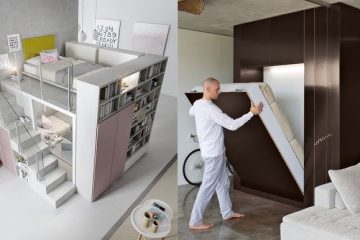
Design plays a crucial role in creating a successful ADU. Since space is often limited, layouts must be efficient while maintaining comfort and functionality. Architects and builders familiar with local requirements help guide homeowners through the design process, ensuring the project complies with building codes and zoning rules. The Bay Area’s varied landscape also adds complexity, with hillside properties and smaller urban lots requiring customized approaches.
Construction methods are increasingly innovative. Modular and prefabricated ADUs have gained popularity for their efficiency, allowing units to be built offsite and installed quickly. This approach reduces disruption to homeowners and can shorten project timelines. Traditional stick-built ADUs remain a strong option for those who want complete customization. Regardless of the method, professional builders who specialize in Bay Area ADU construction bring expertise that ensures durability, safety, and compliance with environmental standards.
Financing is another important factor. Many homeowners tap into home equity loans or refinancing options to cover construction costs, viewing the investment as one that will pay off in increased property value and potential rental income. With the Bay Area’s strong rental market, many ADUs begin generating returns shortly after completion, making the upfront expense worthwhile.
Lifestyle and Community Benefits of ADUs
Beyond financial and practical considerations, Bay Area ADU construction has cultural and lifestyle impacts. Families often turn to ADUs as a way to stay connected across generations. Parents can provide housing for adult children who are priced out of the local market, or seniors can age in place by living close to loved ones while retaining independence. This flexibility strengthens family bonds while easing housing stress.
ADUs also contribute to sustainable urban living. By building within existing neighborhoods rather than expanding outward, communities preserve open spaces and reduce the environmental impact of sprawl. Smaller units generally use fewer resources, making them more energy-efficient than larger homes. Many new ADUs incorporate eco-friendly materials and solar energy, aligning with the Bay Area’s commitment to sustainability.
The rental potential of ADUs supports both homeowners and tenants. Renters gain access to housing in desirable neighborhoods that might otherwise be out of reach, while homeowners benefit from additional income that can offset mortgage costs or supplement retirement funds. This mutually beneficial arrangement reflects the adaptive spirit of the Bay Area, where housing solutions must be as diverse as the people who live there.
Overcoming Challenges in Bay Area ADU Construction
While the benefits are clear, Bay Area ADU construction is not without challenges. Homeowners must navigate local permitting processes, which can vary widely depending on the city or county. Some jurisdictions are faster and more streamlined, while others may involve longer waits and stricter guidelines. Working with professionals who understand local codes is often the best way to avoid delays.
Costs can also present obstacles. Building an ADU is a significant investment, and while long-term gains are promising, the upfront expenses may be daunting. Materials, labor, and design all contribute to total costs, which can fluctuate based on market conditions. However, as demand increases and construction methods evolve, more affordable options are becoming available.
Another challenge lies in balancing design with neighborhood aesthetics. Many communities value their unique architectural character, and homeowners must consider how their ADU blends with the surrounding environment. Thoughtful design ensures that new units enhance rather than disrupt the visual appeal of existing neighborhoods.
Why Bay Area ADU Construction Is Shaping the Future
As housing challenges continue, Bay Area ADU construction stands out as a practical, flexible, and sustainable solution. It addresses the pressing need for more housing while giving homeowners the opportunity to enhance property value, generate income, and support family members. With supportive legislation, evolving construction methods, and growing community acceptance, ADUs are likely to become an even more common feature of the Bay Area’s housing landscape.
By choosing this approach, homeowners are not only investing in their own properties but also contributing to broader solutions that strengthen communities. Bay Area ADU construction represents the balance of innovation, practicality, and resilience—qualities that define the region itself.