Mastering Exterior Design for High Impact Curb Appeal
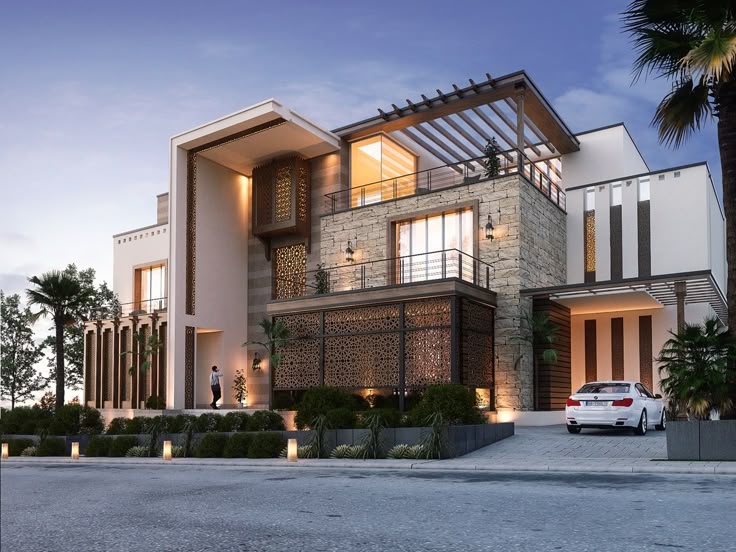
A home’s exterior is the first element anyone notices, and it acts as a visual introduction to the lifestyle inside. Whether the goal is long term durability, architectural harmony, or enhanced market value, exterior design is one of the most powerful investments a homeowner can make. Thoughtful design choices influence not only aesthetics but also energy efficiency, climate resilience, and everyday functionality. By approaching exterior planning with strategy rather than trends, you create a property that feels intentional, well balanced, and built to last.
Understanding the Purpose Behind Exterior Design
Exterior design is more than improving curb appeal. It represents a combination of environmental awareness, structural decisions, and visual storytelling. Incorporating the keyword exterior early helps frame the concept around its full scope, which includes landscaping, materials, lighting, circulation, and architectural continuity.
Evaluating Site Conditions
Before taking any design step, the property’s natural conditions must be assessed. These factors influence durability, material selection, and long term performance. Key considerations include:
- Local weather patterns that affect roofing, siding, and window choices
- Soil composition that impacts drainage and foundation stability
- Sun exposure that determines energy efficiency and landscape success
- Prevailing winds that influence outdoor comfort and seating placement
A site analysis ensures that design decisions align with environmental realities rather than generic assumptions.
Integrating Architecture With Context
Beautiful exteriors are not designed in isolation. They respond to the neighborhood context, surrounding vegetation, lot layout, and overall architectural style. A cohesive exterior respects proportion, balance, and history while still allowing room for personalization. This approach maintains neighborhood character while making the home feel distinctive.
Building a Strong Exterior Framework
A successful exterior starts with foundational decisions about structure, materials, and form. These choices influence longevity and support the rest of the design process.
Choosing Durable Materials
Exterior materials must withstand years of environmental exposure. Thoughtful selection reduces maintenance needs and extends the building’s life cycle.
Common categories include:
- Masonry such as stone or brick that provides exceptional toughness
- Wood which offers warmth and character when treated correctly
- Fiber based materials that resist moisture and pests
- Metal accents that introduce modern texture and resist corrosion
Each material carries its own structural and aesthetic advantages, and combining them strategically can create sophisticated layering.
Considering Roof Structure and Design
Roof design shapes a home’s silhouette and dramatically affects its performance. Steeper roofs shed snow more efficiently, while lighter slopes create contemporary lines. Ventilation, insulation, and reflectivity also matter.
A well designed roof protects against moisture, moderates interior temperatures, and contributes unmistakably to overall curb appeal.
Advanced Color Strategies for Exterior Design
Color on the exterior is more permanent than interior paint, which makes its selection especially meaningful. The right palette improves architectural definition and complements the landscape.
Working With Natural Light
Exteriors experience constant shifts in natural light throughout the day. This influences how colors appear at sunrise, midday, and dusk.
When analyzing color:
- View samples against the home at different hours
- Consider how shade or heavy sunlight alters perception
- Factor in foliage and hardscape reflections that might shift undertones
Color consistency across changing light ensures a stable, high quality appearance.
Creating Multi Dimensional Color Palettes
Strong exterior palettes typically include:
- A dominant field color for the main body of the home
- A trim color that highlights architectural details
- An accent color for doors, shutters, or special features
Selecting two to four tones creates dimension without overwhelming the structure. Well balanced palettes can modernize outdated architecture or amplify classic design elements.
Strategic Exterior Lighting
Lighting transforms an exterior from invisible after sunset to striking and safe. A well lit home also improves security, wayfinding, and nighttime functionality.
Layering Exterior Lighting Types
Thoughtfully layered lighting creates depth and helps highlight the home’s best features.
Important categories include:
- Ambient lighting that sets overall brightness
- Task lighting near entries, patios, or pathways
- Accent lighting that showcases architectural details, trees, or stonework
Using multiple lighting types avoids harsh shadows and supports a warm, inviting appearance.
Using Lighting to Enhance Architecture
Exterior lighting should highlight the structure rather than fight with it. Light placement can be used to:
- Emphasize rooflines or unique trim
- Illuminate textural surfaces like brick or stone
- Frame walkways with subtle illumination
- Highlight trees or shrubs for visual symmetry
When lighting complements architecture, the home looks balanced during both day and night.
Landscape Design as a Core Exterior Principle
Landscaping is not decoration. It is a functional ecosystem that supports drainage, privacy, climate filtering, and aesthetic flow.
Planning Ecologically Conscious Landscaping
Modern landscapes prioritize solutions that support environmental health.
Effective strategies involve:
- Native plants that require less water and adapt naturally to the climate
- Strategic tree placement that cools the home and provides wind protection
- Permeable surfaces that reduce flooding and erosion
These choices improve long term resilience and reduce maintenance needs.
Enhancing Architectural Presence With Plant Selection
Plants play a major role in framing your home.
For a curated appearance:
- Use taller shrubs to soften vertical lines
- Plant structured hedges to emphasize walkways or symmetry
- Add seasonal flowers or grasses for visual movement
- Integrate planters that match the home’s material palette
Thoughtful planting enhances architectural character while providing a dynamic living layer.
Outdoor Living Spaces and Functional Zones
Exterior design extends beyond the walls of the home. Outdoor areas add usability, value, and comfort when smartly designed.
Creating Purpose Driven Zones
Outdoor spaces should serve clear functions that fit your lifestyle. Zones might include:
- A dining area positioned near the kitchen for convenience
- A lounge zone with durable seating for relaxation
- A fire pit area arranged for safe distance and social gathering
- A garden space intended for cultivation or visual interest
Clear zoning prevents outdoor areas from feeling scattered or underutilized.
Hardscape Design and Circulation
Hardscape elements support structure, movement, and visual grounding.
These include:
- Pathways that encourage intuitive navigation
- Patios and terraces that extend indoor space
- Retaining walls that control slopes and stabilize soil
- Driveways designed for both aesthetics and durability
A well designed hardscape plan improves accessibility and organizes the outdoor landscape.
Windows, Doors, and Architectural Detailing
Details shape the character of an exterior. They frame views, guide attention, and provide architectural depth.
Selecting the Right Windows
Windows influence both the interior and exterior experience. Their design affects ventilation, daylight, views, and the overall architectural rhythm.
Key considerations:
- Frame color that complements the primary palette
- Pane configuration that matches the architectural style
- Energy efficient glass for improved insulation
- Proportion that supports visual symmetry
Windows become focal points when aligned with the building’s structural logic.
Doors as Architectural Statements
Exterior doors set the tone for the entire property. Their design communicates style before anyone enters.
An impactful door should offer:
- Material durability and weather resistance
- A color or finish that anchors the palette
- Hardware that reinforces the home’s character
Doors bridge function and visual storytelling.
Exterior Maintenance and Longevity
A beautifully designed exterior must be preserved through routine care and attention.
Long Term Care Strategies
To extend the life of exterior materials:
- Inspect drainage systems regularly
- Clean siding, patios, and gutters annually
- Seal or treat wood elements as required
- Refresh paint when fading begins
Proactive maintenance protects the home’s appearance and structural integrity.
Weather Preparedness
Different climates require tailored exterior resilience strategies.
Examples include:
- Reinforced roofing in hurricane prone regions
- Fire resistant materials in dry climates
- Waterproofing in heavy rain areas
Designing with climate in mind supports safety and long term value.
Frequently Asked Questions
How can I improve curb appeal without a full renovation
Focus on impactful updates like new lighting, a refreshed front door, maintained landscaping, and upgraded hardware. These changes create noticeable transformation without large construction work.
What exterior colors make a home look larger
Lighter shades such as soft whites, beiges, and light grays visually expand surfaces. Pairing them with darker trim can sharpen architectural definition.
How do I choose exterior materials that last in extreme weather
Look for materials rated for moisture, heat, wind, or cold depending on your region. Quality coatings, proper installation, and routine maintenance further extend durability.
What plants work best for low maintenance landscaping
Native species perform well because they naturally adapt to local climates. They require less watering, fewer chemicals, and minimal upkeep compared to imported plants.
How can I make my outdoor space more usable year round
Incorporate features such as covered seating, wind blocking plantings, durable outdoor materials, and weather appropriate furnishings. These additions allow outdoor enjoyment in more seasons.
If you’d like, I can create a version focused on modern exteriors, traditional homes, coastal properties, or high end architectural facades.