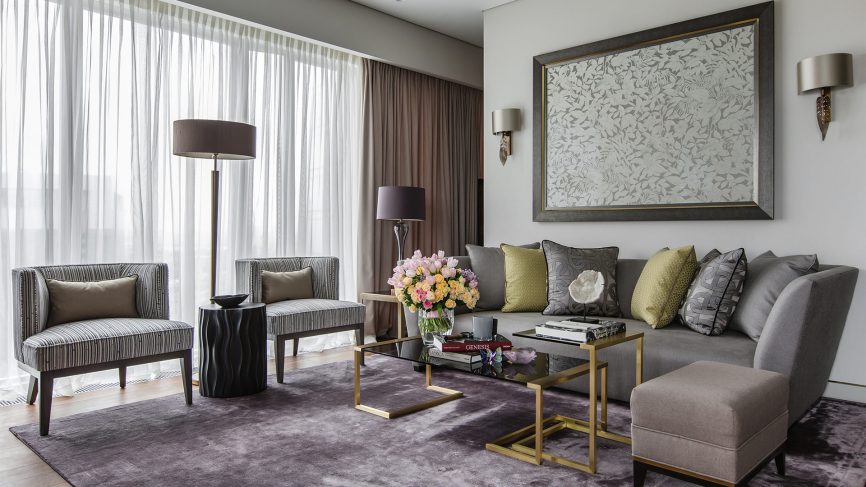
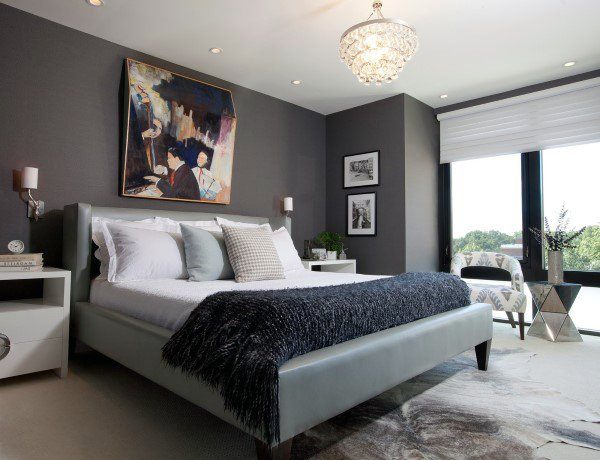
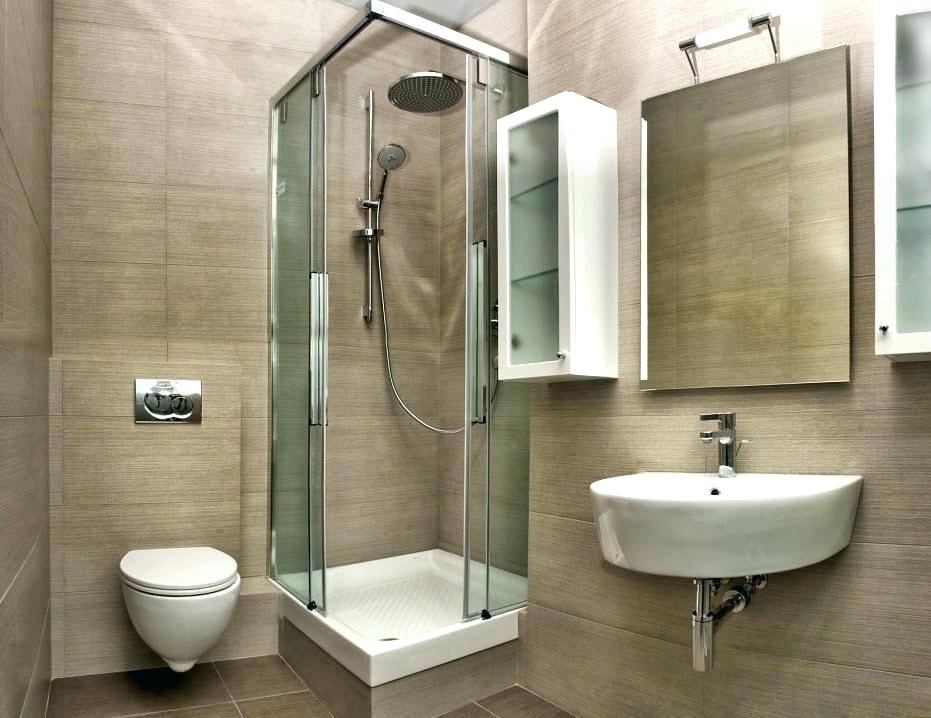
Expert Decor Tips for Creating High Impact Interiors
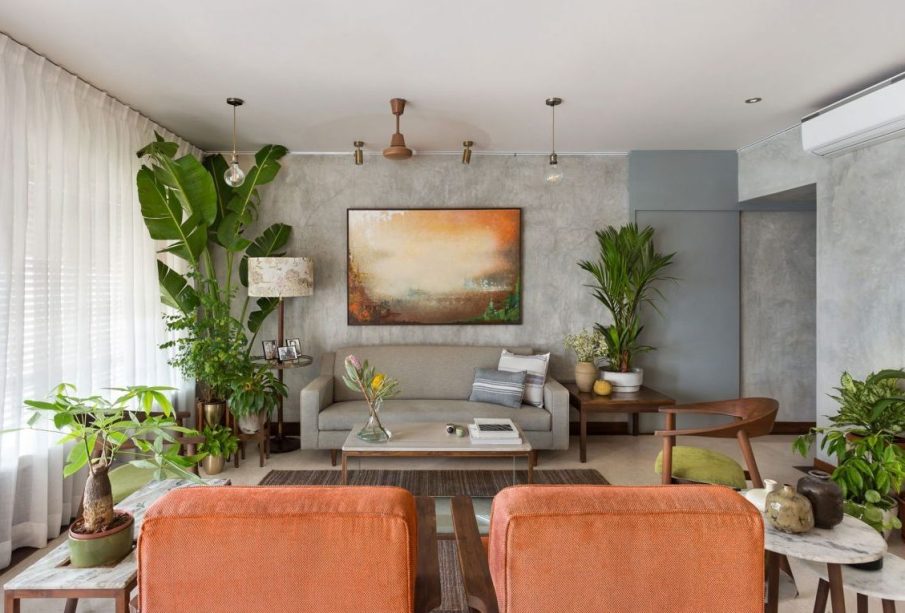
Designing a home that feels intentional, welcoming, and visually connected requires more than picking attractive furniture or trending colors. The most effective decor strategies balance psychology, spatial awareness, and long term usability. When applied with care, these advanced decor tips help transform a basic room into a thoughtfully curated environment that reflects both lifestyle and personal taste. Many homeowners underestimate how much influence lighting, texture, scale, and circulation have on daily comfort, yet these factors shape the entire design story from the moment someone enters the space.
Understanding the Core Purpose of Each Room
Before selecting color palettes or accent pieces, it is essential to define how a space should function at its highest level. This step anchors the design to a meaningful purpose rather than impulse decisions. Establishing intent also ensures decor aligns with both practical routines and emotional needs.
Identifying Functional Priorities
Every room should cater to its primary responsibilities first. Ask yourself which activities take place daily and which require long term space planning.
Key considerations include:
- Seating requirements and expected foot traffic
- Visibility of storage and access to frequently used items
- Level of privacy needed for concentration or rest
- Lighting demands for reading, conversations, or relaxing
When you map a room based on actual usage, decor choices naturally become more strategic and easier to execute with confidence.
Connecting Mood With Design Direction
Individuals respond differently to architectural elements, colors, and textures. Interior design psychology shows that visual boundaries and sensory input can shift how calm, energized, or focused a person feels.
You can enhance a room’s mood by:
- Choosing warm tones to create comfort in high use living spaces
- Incorporating cool neutrals to support clarity in work areas
- Adding layered textures that invite tactile engagement
- Integrating natural elements that improve emotional grounding
When mood and purpose align, decor decisions become more intuitive and effective.
Mastering Balance and Visual Flow
A beautifully decorated room is one where the eye moves naturally from one point to another without abrupt interruptions. Achieving this requires balance, repetition, and thoughtful contrast. These techniques elevate decor from simply attractive to consistently harmonious.
Using Symmetry and Asymmetry
Symmetry creates order and predictability. Asymmetry introduces energy and spontaneity. Blending both approaches keeps a room visually dynamic without feeling chaotic.
Techniques for balanced design include:
- Pairing matching lamps on either side of a console to anchor the composition
- Offsetting a large piece of art with two smaller decor items to maintain equilibrium
- Scaling decor to maintain proportion, especially in rooms with high ceilings
Balance does not require perfect mirroring. It simply requires that no single element overwhelms the surrounding space.
Establishing a Visual Rhythm
Repetition plays a significant role in interior harmony. You can create rhythm by repeating:
- Certain materials such as brass, leather, or marble
- A consistent style of curves or clean lines
- A unified color scheme that appears intentionally throughout the home
This continuity supports a cohesive environment where every room feels connected to the next.
Color Theory at an Advanced Level
Color is a powerful design element that influences perception, scale, and emotional response. Mastering color theory allows decorators to build depth, highlight architectural character, and correct visual imbalance.
Creating Multi Layered Palettes
Instead of relying on a single shade, professional designers build palettes with depth and variation.
A sophisticated palette typically includes:
- A dominant foundational color for walls or large furniture
- A secondary shade that provides variation and structure
- An accent color for visual interest
- A grounding neutral that ties the entire room together
Layered color adds complexity and prevents a space from feeling flat or overly simplified.
Incorporating Contrast With Precision
Contrast can sharpen architectural features or highlight intentional focal points.
Effective methods for using contrast include:
- Placing darker furniture against lighter walls
- Introducing matte surfaces alongside glossy finishes
- Blending organic materials with modern details
Contrast should feel purposeful rather than dramatic. Its role is to guide attention, not overwhelm the design.
The Importance of Texture and Material Pairing
Texture shapes how a room feels both visually and physically. When used intentionally, texture transforms sterile spaces into inviting environments that feel lived in and warm.
Creating Depth Through Layering
Professional interiors often include at least five distinct textures to build visual richness.
Examples include:
- Natural fibers like wool, linen, or sisal
- Smooth finishes such as lacquered wood or metal
- Soft textiles like velvet or chenille
- Coarse natural elements such as stone or raw ceramic
- Reflective surfaces including mirrors or polished glass
Layering encourages contrast while helping soften formal or minimal spaces.
Material Pairings That Enhance Design
A thoughtful pairing of materials can enhance warmth, reflect light, or elevate the room’s architecture.
Advanced material combinations often include:
- Leather with woven fibers for depth and organic warmth
- Marble with aged woods to balance luxury and natural grounding
- Brushed metal with soft textiles to add modern refinement
Creating a curated material palette allows the room to develop personality without becoming visually overwhelming.
Lighting Design for Function and Atmosphere
Lighting is one of the most transformative components of interior decor. It influences how colors appear, how textures respond, and how comfortably a room supports daily activities.
Layered Lighting Structure
High functioning interiors typically rely on three core lighting types:
- Ambient lighting which fills the room and establishes the foundation
- Task lighting which supports reading, cooking, or detailed work
- Accent lighting which emphasizes art, architectural features, or emotional warmth
Balanced lighting protects a room from feeling overly dim or harsh.
Using Natural Light Strategically
Natural light is a free resource that significantly enhances good design. You can increase its impact by:
- Selecting window treatments that filter instead of block
- Positioning mirrors to bounce daylight deeper into the room
- Choosing paint colors with reflective undertones
When natural light is integrated well, it reduces reliance on artificial lighting and improves overall comfort.
Advanced Furniture Placement and Spatial Strategy
Furniture layout determines how a space functions and how comfortably people move through it. Effective placement can make a small room feel spacious or a large room feel grounded.
Building Functional Zones
Even open concept rooms benefit from zoning strategies. A zone is a specific area dedicated to a single purpose.
Examples include:
- A reading corner that features a chair, lamp, and side table
- A dining zone positioned for easy flow from the kitchen
- A living space oriented to support conversation
Zones help prevent furnishings from feeling scattered or disconnected.
Respecting Circulation Pathways
People should be able to move through a room without navigating barriers.
Strong circulation involves:
- Keeping pathways at least three feet wide
- Avoiding oversized furniture that blocks natural flow
- Orienting seating to encourage conversation rather than isolation
Spatial awareness improves usability and keeps a room from feeling cramped.
Accessorizing With Intention
Accessories add character and individuality, but when used carelessly they can clutter a room. The goal is meaningful, not excessive, decoration.
Building a Layered Accessory Strategy
A successful accessory plan includes:
- A focal piece that sets the tone, such as artwork or a sculptural object
- A combination of heights for visual variation
- Personal items that reflect memories, hobbies, or experiences
- Restraint to avoid overwhelming surfaces
The best accessories contribute to storytelling rather than merely filling space.
Using Plants and Natural Elements
Indoor plants provide texture, color, and emotional wellness benefits. They soften angles and improve air quality.
For a sophisticated look:
- Choose plants that complement room scale
- Use varied planters for depth and material contrast
- Integrate greenery into shelves, corners, and entryways
Plants add vitality and movement to a room’s visual narrative.
Seasonal Adaptation Without Full Redesign
Homes evolve throughout the year based on climate, lifestyle, and personal energy. Seasonal changes do not require full renovations, only smart adjustments that refresh the environment.
Subtle Shifts That Influence Atmosphere
Seasonal updates may include:
- Switching throw blankets between breathable fabrics and cozy textures
- Rotating accent pillows
- Adjusting floral arrangements
- Incorporating warm or cool toned accessories based on seasonal needs
Small changes keep decor feeling current without large investments.
Frequently Asked Questions
How do I choose decor when I have different tastes from a partner or family member
Start by identifying shared priorities. Focus on function before style, then choose a neutral base that satisfies both preferences. Once the foundation is set, each person can influence smaller accessories or individual zones within the home.
What is the biggest mistake people make when decorating large rooms
The most common mistake is placing furniture along the perimeter. This creates visual distance and makes the room feel cold. Instead, anchor the center with a conversation area and use rugs to define zones.
How can I decorate effectively on a limited budget without compromising style
Prioritize foundational pieces like rugs, major seating, and lighting. These shape the entire room. Save on accessories by mixing vintage finds, handmade items, or repurposed decor that reflects personal character.
What is the best way to introduce color if I am nervous about making the wrong choice
Start with textiles such as pillows, art, or smaller accent pieces. These are easy to switch out and allow you to experiment before committing to larger color decisions.
How can I make small spaces feel more open
Maximize vertical space with tall shelving, select multi functional furniture, and use mirrors strategically. Light colored walls and consistent flooring also help create visual expansion.
If you’d like, I can also create decor strategies tailored to specific home styles such as modern minimalism, rustic luxury, traditional elegance, or coastal inspired design.