Securing Sliding Glass Doors Against Break-Ins
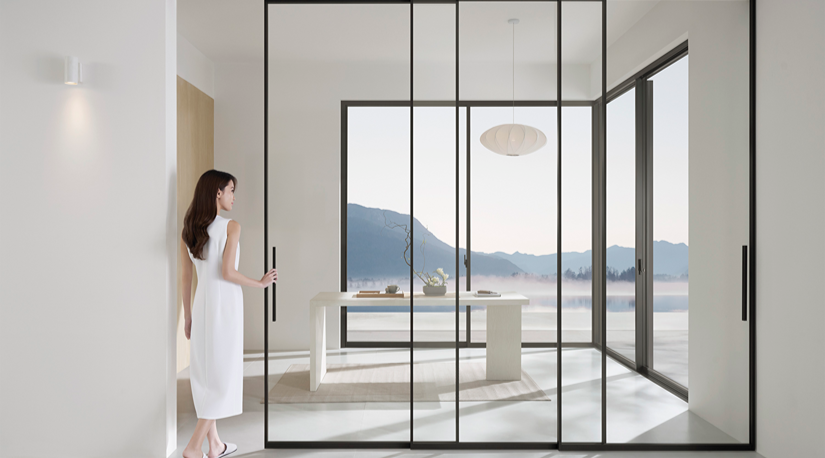
Sliding glass patio doors represent one of the most persistent vulnerabilities in home security. While they bring in natural light and connect indoor living areas with backyards or decks, their core design prioritizes smooth mechanical operation and expansive visibility over forced-entry resistance. To an experienced intruder, an unmodified sliding glass door is rarely an obstacle. It is an opportunity.
Most residential burglaries are crimes of convenience and speed. Intruders favor entry points shielded from street view where they can gain access in less than a minute without generating prolonged noise. Sliding doors are almost universally located in private backyards, surrounded by fencing, landscaping, or outbuildings. When you combine this visual seclusion with standard factory hardware, you get a fixture that can often be bypassed with a simple pry bar, a screwdriver, or a well-placed boot.
Securing these access points requires looking past the standard latch and systematically eliminating the mechanical and physical weak points that burglars exploit.
Eliminating the Track Lift Vulnerability
The single most common method used to defeat a sliding door does not involve breaking glass or picking a lock. It involves lifting the active door panel right off its tracks.
By design, sliding doors sit inside upper and lower aluminum or vinyl channels. To allow the panel to be installed or removed during initial construction, manufacturers build extra vertical clearance into the top channel. Installers push the panel up into the top track, swing the bottom inward over the lower rail, and let the wheels settle onto the track.
Intruders use this exact installation method in reverse. By inserting a flathead pry bar, chisel, or heavy screwdriver beneath the bottom rail of the active panel, an intruder can lever the entire door upward. Once the bottom rollers clear the track lip, the door swings free of the frame. This completely bypasses the primary latch, which simply pulls out of its strike pocket when the door is forced off its horizontal axis.
Installing Anti-Lift Track Screws
The most direct and cost-effective remedy for track lifting is to eliminate the vertical play inside the upper channel.
Slide the door into the fully closed and latched position. Look up into the upper channel directly above the top edge of the active panel. Drive three or four pan-head sheet metal screws straight up into the upper track header, spacing them evenly across the length of the track where the active door sits when closed.
Adjust the depth of each screw head so that it sits roughly an eighth of an inch above the top edge of the door frame. When properly set, the screw heads allow the door to roll back and forth smoothly without scraping, but they physically block the door from being lifted upward more than a fraction of an inch. If an intruder attempts to pry the door upward with a crowbar, the top of the door frame hits the screw heads, keeping the bottom rollers locked firmly inside the lower rail.
For tracks where driving screws into the header is impractical, commercial anti-lift blocks or rigid acrylic shims cut to fit the upper pocket accomplish the same goal.
Upgrading Weak Factory Latching Systems
The latches pre-installed on most residential sliding glass doors are not true deadbolts. They are lightweight surface latches designed to keep the door sealed against wind and drafts rather than resist physical attack.
Most factory mechanisms feature a small downward-hooking clasp cast from soft zinc or aluminum. When you flip the thumb latch, this small hook drops over a shallow metal lip in the jamb strike plate. A firm pull on the exterior handle combined with horizontal rocking can bend, crack, or slip this clasp off the strike plate in seconds.
Relying solely on this factory hardware is a mistake. Reinforcing the door requires installing auxiliary locking hardware that anchors the moving panel directly to the surrounding wall framing or sill.
Auxiliary Step Locks and Pin Latches
A foot-activated step lock mounts to the lower corner of the active door stile. When pressed down, it drives a heavy, hardened-steel pin vertically through the door edge and deep into the floor sill or the solid base of the bottom track.
Because the pin enters the floor vertically, horizontal pulling force applied to the door handle does nothing to dislodge it. To bypass a properly installed foot lock, an intruder would have to rip the entire bottom framing out of the floor. Furthermore, many modern step locks include a secondary locking channel, allowing homeowners to lock the door firmly in place with a three-inch gap for ventilation while still preventing outside entry.
Surface-Mounted Double-Bolt Locks
Another robust option is a surface-mounted double-bolt deadbolt. These locks are typically installed along the meeting rail or higher up on the interior side of the frame.
When engaged, they drive two thick steel bolts horizontally into a heavy-duty strike plate screwed directly into the structural wall studs beside the jamb. Choose models that require longer, three-inch mounting screws rather than short decorative screws. The longer screws reach past the hollow door jamb and sink directly into the wooden or masonry rough framing of the house, turning the door and wall into a single structural unit.
Reinforcing the Horizontal Plane with Physical Blocking Bars
Even if an intruder cannot lift the door or defeat the latch, they will attempt to force the door open horizontally along its track. Physical blocking bars neutralize this horizontal motion entirely.
The traditional homeowner solution—dropping a wooden dowel, curtain rod, or cut-down broomstick into the lower track—offers basic resistance, but it has distinct limitations. Thin wooden dowels can split under sudden impact. If a cut dowel has any vertical play, an intruder who vigorously shakes or rattles the door from the outside can cause the stick to bounce and shift out of position. In some cases, thin wire hooks inserted through weatherstripping gaps can flip a light stick right out of the track.
Engineered Security Bars
A hinged, heavy-gauge steel or aluminum security bar—often called a patio security bar or Charlie bar—is far superior to a loose floor dowel.
These bars mount permanently to the frame at waist or chest height. One end attaches to the frame with a sturdy pivot bracket, while the other end drops down horizontally and locks into an opposing bracket on the active door’s leading edge.
Mounting the bar at chest height provides three critical security benefits:
-
Immediate Visual Deterrence: An intruder inspecting the door from outside sees the heavy metal bar immediately through the glass, signaling that the door cannot be pushed open without significant effort.
-
Immunity to Bouncing and Tampering: Because the bar is pinned mechanically at the pivot and latched on the other end, no amount of door rattling or track vibration can dislodge it.
-
Ergonomic Convenience: Homeowners do not have to bend down to the floor to remove or replace the brace every time they want to walk out into the yard.
If you prefer a track-level solution, look for heavy-duty extruded aluminum bars with built-in anti-lift saddles and locking pins that hold the bar down flat against the base of the track.
Fortifying the Glass Surface
Every mechanical lock and security bar becomes irrelevant if an intruder simply shatters the glass and walks through the frame. Standard patio doors are fitted with tempered safety glass. While tempered glass is resistant to blunt impact from balls or accidental falls, it is engineered to crumble completely into thousands of blunt granules when its surface tension is broken by a concentrated strike from a center punch, rock, or hammer.
Once broken, tempered glass falls away almost instantly, leaving a completely open threshold that can be stepped through without making a sound or cutting clothing.
Heavy-Duty Security Window Film
Security window film is an optically clear, heavy-gauge polyester membrane applied directly to the interior surface of the glass pane. While standard solar tinting films are usually one to two mils thick, proper security films range from eight to fourteen mils in thickness.
Security film does not stop the glass from cracking under a heavy blow. Instead, it prevents the shattered glass fragments from falling out of the frame. When struck with a baseball bat or sledgehammer, the glass fractures into a spiderweb pattern, but the thick, tear-resistant polyester sheet holds the entire pane together as a rigid, rubbery barrier. An intruder who expected the glass to vanish upon impact is suddenly faced with a flexible, shock-absorbing wall that requires dozens of repeated, noisy strikes to puncture. Most opportunistic burglars will abandon the attempt immediately rather than generate sustained noise in a residential yard.
Anchoring the Film with Structural Sealant
Applying security film directly to the face of the glass is only the first step. If the film is simply trimmed flush with the interior rubber gaskets, a heavy impact or strong kick can pop the entire sheet of shattered glass and film right out of the door frame into the room.
To create true impact resistance, you must use an anchored attachment system. Once the film is cured on the glass, trim back the flexible rubber weather seal around the inner edge of the frame. Apply a continuous bead of high-strength structural silicone sealant—such as Dow Corning 995—along the boundary where the film meets the metal or vinyl frame.
This structural silicone chemically bonds the puncture-resistant film directly to the structural perimeter of the door sash. Even if the glass is completely fractured, the panel remains firmly anchored inside its frame, denying entry.
Integrating Alarm Sensors and Detection
Hardening the physical door slows an intruder down. Complementing that physical resistance with active detection removes the one resource a burglar needs most: time.
Standard perimeter home security systems rely on basic magnetic contact sensors. These sensors trigger an alarm when the active door separates from the jamb. While essential, a magnetic contact sensor only sounds the alarm after the door has already been physically breached and pushed open. In an optimal security setup, the alarm triggers before the intruder sets foot inside.
Shock and Vibration Sensors
Mounting a tuned vibration sensor directly onto the frame of the sliding door provides early warning. These compact devices detect the distinct acoustic vibrations caused by heavy prying, drilling, or hammer impacts against the frame.
When calibrated correctly, they ignore the light vibrations of wind, heavy rain, or passing traffic, but trigger the alarm system at the very first sign of aggressive physical tampering. An alarm sounding while the intruder is still on the exterior patio dramatically increases the likelihood of a quick retreat.
Acoustic Glass-Break Detectors
An acoustic glass-break detector monitors the room housing the sliding door. These sensors use specialized internal microphones calibrated to listen for a specific two-stage sound profile: the low-frequency thud of an initial physical impact, followed immediately by the high-frequency shatter of fracturing glass.
Place an acoustic sensor within clear line of sight of the patio door, ideally mounted on an adjacent wall or ceiling roughly ten to fifteen feet away. Unlike a contact sensor, an acoustic detector sounds the alarm the exact second the pane is cracked, alerting the household and dispatching authorities while the intruder is still struggling to get through the security film.
Maintaining Track Alignment and Mechanical Integrity
Even the best aftermarket hardware cannot compensate for a neglected, poorly maintained door. Over years of seasonal use, dirt, leaves, and pet hair accumulate inside the bottom track, chewing up the nylon roller wheels and causing the door to sit unevenly.
When roller wheels wear out, the door frame drops down lower in the track. This creates wider gaps along the upper channel and pulls the door stile out of plumb with the side jamb. A door that does not sit flush against the jamb leaves a visible gap that makes prying with a crowbar exceptionally easy.
Regularly vacuum the lower track using a narrow crevice tool to remove abrasive debris, and wipe down the running rails with a clean rag. Avoid using heavy grease or petroleum-based lubricants on sliding door tracks; grease attracts dirt and creates a thick grinding paste that quickly ruins the rollers. Instead, use a light coat of dry silicone spray or pure paraffin wax along the track rail.
Check the roller adjustment access holes, typically found near the bottom edge of the door’s side rails. Use a screwdriver to turn the internal adjustment screws until the door rides level and sits completely square against the side jamb with zero visible daylight along the edge. A tightly seated, level door leaves no leverage points for tools to gain purchase.
Creating a Cohesive Defensive Perimeter
Securing a sliding glass door is not about relying on a single piece of hardware. It is about stacking complementary layers of resistance that address each potential point of failure.
A complete defense combines physical track retention, secondary mechanical locking, impact-resistant glass reinforcement, and early electronic detection. When you eliminate track lift with upper-channel screws, secure the bottom with a hardened foot-bolt, bridge the center with a visible security bar, bond the glass with anchored safety film, and illuminate the patio with motion-sensing floodlights, you fundamentally change the risk calculation for anyone approaching your home.
Faced with a barrier that requires extended time, noisy tools, and extreme physical exertion to breach, intruders will recognize the futility of the attempt and move on long before the door ever gives way.