San Antonio Roofing Companies: How to Choose the Best

Your roof is one of the most important protective systems in your home. It shields the structure, insulation, electrical components, furnishings, and occupants from heat, rain, wind, hail, and sudden changes in weather. When repairs or replacement become necessary, choosing among San Antonio roofing companies requires more than simply finding the lowest estimate.
A dependable roofing contractor should understand local weather patterns, permitting requirements, ventilation needs, and the roofing materials commonly used in the area. The company should also provide clear documentation, verifiable insurance, realistic warranties, and a detailed scope of work.
Taking time to compare contractors carefully can help you avoid premature roof failure, unexpected charges, poor installation, and disputes over warranties.
Why Local Roofing Experience Matters in San Antonio
San Antonio roofs face a challenging combination of intense sunlight, high temperatures, heavy rain, strong winds, and damaging hail. Roofing materials can expand and contract as temperatures change, while prolonged ultraviolet exposure may gradually dry out asphalt shingles and other components.
A roof must therefore do more than keep rain out. It needs properly installed flashing, suitable underlayment, adequate attic ventilation, secure fastening, and materials rated for the conditions they are likely to encounter.
Local experience is valuable because a San Antonio roofing contractor should understand which roofing products perform reliably in the regional climate. The contractor should also know how to identify hail damage, heat-related deterioration, wind uplift, drainage problems, and ventilation deficiencies.
In most these aspects, a San antonio roofer will be able to assist you. All that you should do is look for a san antonio tx roofing company online to be able to obtain the best bang for your buck without wondering when the contractor will all of a sudden try to escape by using it and then leave you roof-less.
Online research is a useful starting point, but it should never be the only step in the selection process. A professional website or high search ranking does not automatically prove that a company performs high-quality work.
Start With a Thorough Roof Inspection
A reliable estimate should be based on an actual inspection rather than a quick look from the driveway. The roofer should examine the shingles or other roof covering, flashing, valleys, vents, penetrations, drainage points, gutters, and visible sections of the roof deck.
When access is possible, the attic should also be evaluated. Moisture stains, inadequate ventilation, compressed insulation, mold-like growth, or daylight entering through the deck can reveal problems that are not visible from the exterior.
Ask the contractor to provide photographs of damaged areas and explain whether each problem requires repair or replacement. A trustworthy roofer should be able to distinguish between cosmetic wear, storm damage, installation defects, and ordinary material aging. Be cautious if a contractor recommends complete replacement without showing clear evidence or explaining why a repair would be unsuitable.
Compare Complete Roofing Systems, Not Just Shingles
Homeowners often focus on shingle color, brand, or warranty length, but a roof is a complete system. Its performance depends on every component working together.
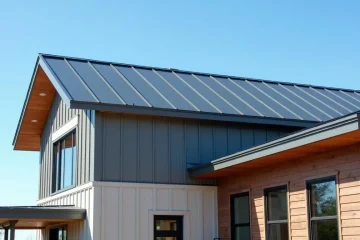
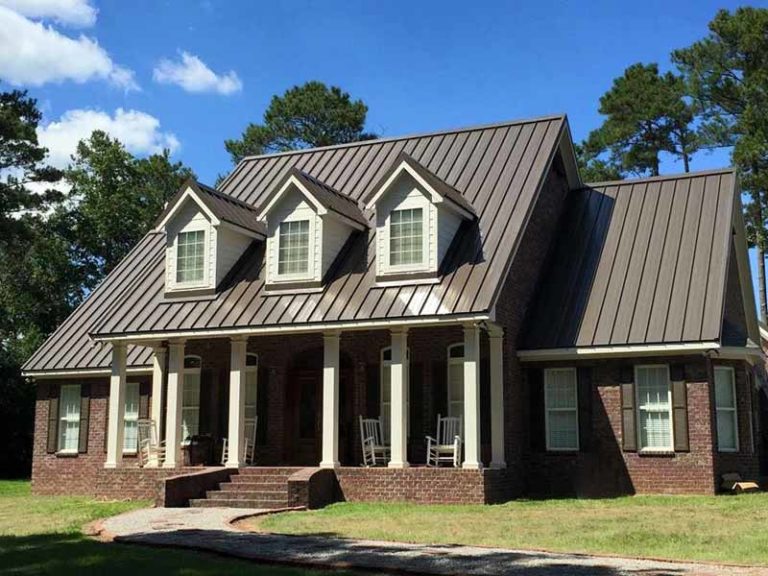
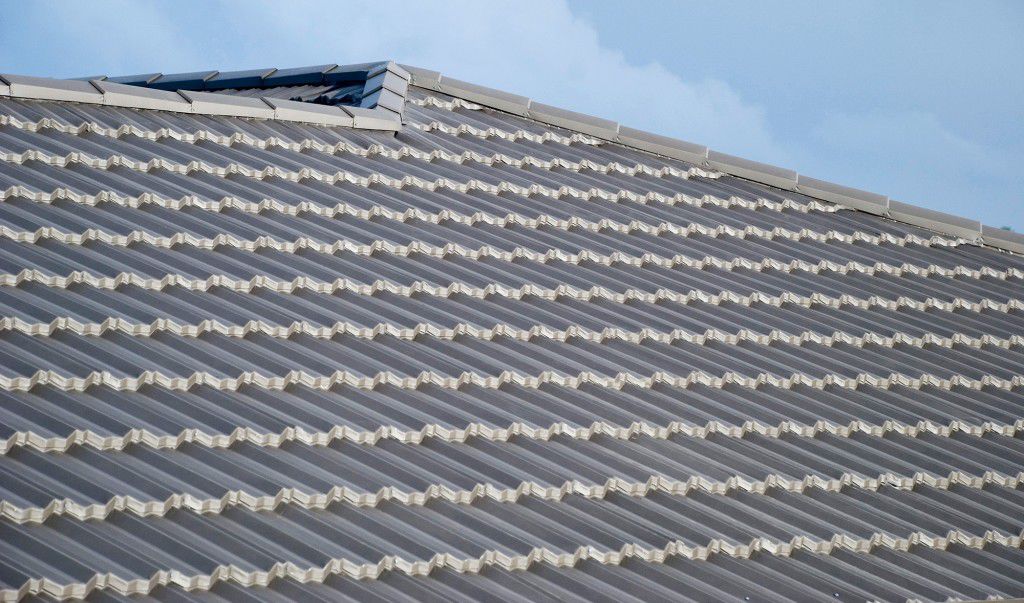
Asphalt shingles remain a widely used option because they are available in many styles and price ranges. Metal roofing may offer strong durability, heat-reflective options, and resistance to certain weather conditions. Tile can provide a distinctive appearance and long service life, but the supporting structure must be able to handle its weight.
The appropriate choice depends on the roof’s slope, structural condition, architectural design, exposure, maintenance needs, and available budget.
The estimate should identify the proposed roof covering, underlayment, starter course, flashing, drip edge, ridge caps, fasteners, ventilation products, and water-protection measures for valleys and penetrations. Ask whether the materials are compatible and whether the installation will follow the manufacturer’s written requirements.
Reflective or “cool roof” products may help reduce heat absorption in hot climates. However, color should not be the only consideration. Product quality, installation method, attic insulation, ventilation, and the overall design of the building also affect indoor comfort and energy performance.
Verify Registration, Permits, and Insurance
Roof repair and replacement work in San Antonio generally requires the appropriate permit. Ask the contractor who will obtain it, how inspections will be handled, and whether the permit cost is included in the proposal.
Contractor requirements can vary depending on whether the work is structural or non-structural. For that reason, do not accept a general statement that a roofer is “fully licensed” without further verification. Confirm that the company has the appropriate local registration for the proposed work and is eligible to obtain the required permit.
The contractor should carry active general liability insurance. Ask for a current certificate and verify it with the insurance provider if necessary. You should also ask how the company covers employees and subcontractors who will be working on your property.
Insurance protects both parties if someone is injured or if the project causes accidental damage. A company that refuses to provide documentation should not be allowed to begin work.
Request a Detailed Written Estimate
A roofing estimate should explain exactly what you are purchasing. A single total with little supporting information makes it difficult to compare companies or resolve disagreements.
The proposal should identify the roof areas being repaired or replaced, the materials being installed, the number of existing layers to be removed, disposal arrangements, ventilation work, flashing replacement, deck inspection, cleanup procedures, warranties, and expected payment schedule.
Because damaged decking may remain hidden until the old roofing is removed, the agreement should include a unit price for replacing deteriorated wood. This prevents an undefined decking charge from appearing after work has already begun.
Compare the scope of each estimate rather than comparing only the final price. One proposal may appear cheaper because it excludes permits, new flashing, ventilation improvements, disposal, or necessary deck repairs.
Evaluate Reputation and Workmanship
Online reviews can reveal useful patterns, particularly when customers repeatedly mention communication, cleanup, scheduling, or warranty service. However, reviews should be considered alongside other evidence.
Ask for references from customers who had similar roofing work completed. If possible, examine projects that have already been exposed to several seasons of weather. A newly finished roof may look attractive even when important installation details are incorrect.
Manufacturer certifications and membership in professional roofing associations may demonstrate training or involvement in the industry, but they should not replace independent verification. Confirm the contractor’s business identity, physical contact information, insurance, local registration, references, and written warranty.
You should also determine whether the people completing the installation are company employees or subcontractors. Subcontracting is common in roofing, but the primary contractor must remain responsible for supervision, workmanship, safety, and warranty service.
Understand the Contract and Warranty
Do not allow work to begin based only on a conversation, text message, or verbal promise. The signed contract should match the final estimate and describe the responsibilities of both parties.
It should cover materials, colors, project scope, permit responsibility, start conditions, payment stages, change orders, cleanup, property protection, and warranty terms. Any promise made during the sales discussion should be added to the written agreement.
Roofing projects may include two separate warranties. A manufacturer’s warranty generally covers qualifying defects in roofing materials, while a workmanship warranty covers installation-related problems. Ask how long each warranty lasts, what it excludes, whether registration is required, and how a claim must be submitted.
A long warranty is not automatically valuable. The company must be financially stable, reachable, and willing to perform repairs when a legitimate problem occurs.
Be Careful After Severe Weather
Storms often create urgency, and that urgency can attract aggressive or inexperienced contractors. Avoid signing an agreement immediately after an unsolicited inspection. Take time to verify the company and obtain another professional opinion.
A contractor can document roof damage and prepare a repair estimate, but homeowners should communicate directly with their insurance provider regarding coverage and claim decisions. Do not rely on promises that a roof will automatically be free or that every visible mark qualifies as insured damage.
Never sign a contract containing blank spaces, an unclear cancellation policy, or undefined pricing. You should also avoid paying the entire project cost before materials arrive or work begins. A reasonable payment schedule should correspond with identifiable stages of the project.
Look for Professional Project Management
Quality installation includes protecting the rest of the property. Before work starts, the roofer should explain how landscaping, windows, siding, driveways, outdoor equipment, and attic spaces will be protected.
The company should provide a plan for material delivery, debris removal, daily cleanup, magnetic nail collection, and the final inspection. It should also have a procedure for securing the exposed roof if unexpected weather interrupts the project.
Communication matters throughout the job. Homeowners should know who manages the crew, who can approve changes, and whom to contact if a concern develops.
Frequently Asked Questions
Do I need a permit to replace a roof in San Antonio?
Roof repair and replacement generally require a permit within San Antonio. Structural changes, including alterations to the roof pitch, may involve additional review. Confirm the requirements for your property before work begins and make sure the responsible party obtains the proper approval.
Should I repair or replace my roof?
The answer depends on the extent of the damage, the condition of the decking and flashing, the roof’s remaining service life, and whether leaks are isolated or widespread. A limited repair may be appropriate when the surrounding roofing system remains sound. Replacement may offer better value when deterioration is extensive or recurring.
Are impact-resistant shingles worth considering?
Impact-resistant shingles may provide additional protection in hail-prone locations, but no roofing product is completely hail-proof. Ask about the product’s tested impact classification, installation requirements, warranty limitations, and possible insurance implications before deciding.
How many roofing estimates should I obtain?
Obtain enough detailed estimates to compare materials, installation methods, warranties, and contractor qualifications confidently. The lowest estimate is not necessarily the best choice, especially when it omits important components or uses vague descriptions.
What are the biggest roofing contractor warning signs?
Warning signs include high-pressure sales tactics, demands for full payment in advance, missing insurance documentation, vague estimates, unverifiable business information, promises not included in the contract, and unwillingness to obtain required permits.
Choose a Contractor Based on Evidence
Finding the best among San Antonio roofing companies requires careful comparison. Prioritize a documented inspection, complete roofing system, appropriate permits, active insurance, detailed contract, realistic warranty, and proven local workmanship.
A roof is a major investment in the safety, comfort, and value of your home. Selecting a contractor based on verifiable evidence instead of price alone gives that investment a much stronger foundation.