The Essential Guide to Dealing with a Burst Pipe in Austin
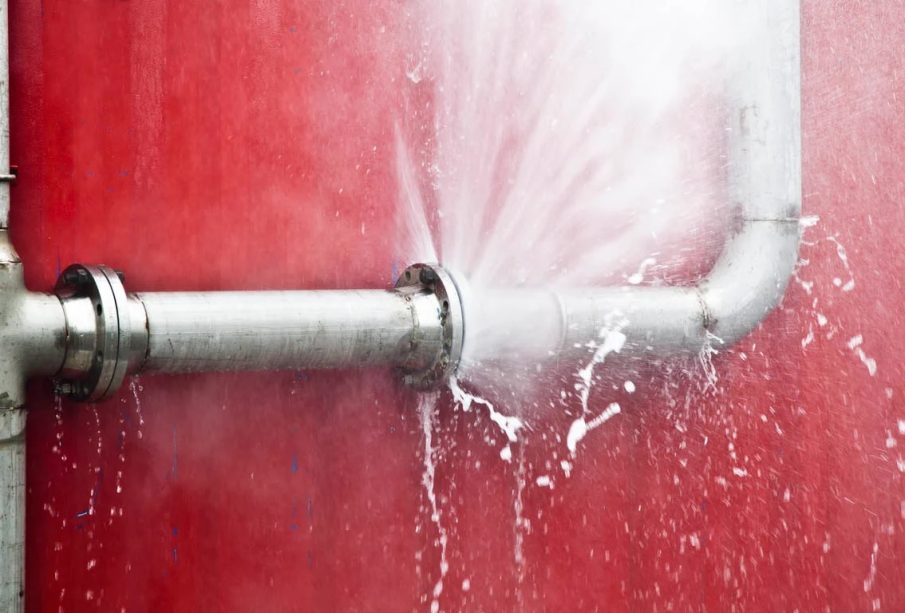
Key Takeaways:
- Extreme weather conditions, such as hot summers and freezing temperatures, can cause burst pipes in Austin.
- Aging plumbing systems, especially galvanized steel or cast iron pipes, are more susceptible to bursting.
- Tree roots can infiltrate pipes, leading to blockages and ruptures.
- A sudden decrease in water pressure and unusual water discoloration are signs of a burst pipe.
- Pooling water and damp spots indicate a burst pipe.
- When dealing with a burst pipe, shut off the water supply, drain the water, and call a professional plumber.
- Consider pipe replacement with modern materials like PEX or copper.
- Insulate pipes to protect against extreme temperatures.
- Schedule regular maintenance to identify potential issues.
- Understanding the Causes of Burst Pipes in Austin
In the city of Austin, Texas, burst pipes are a common occurrence, especially during extreme weather conditions. To effectively deal with a burst pipe Austin, it’s important to understand the causes behind these incidents.
1.1. Extreme Weather Conditions: The Culprit Behind Burst Pipes
One of the primary causes of burst pipes in Austin is extreme weather conditions. The region experiences both scorching hot summers and occasional freezing temperatures in the winter. These drastic temperature fluctuations can put immense stress on your plumbing system and lead to pipe bursts.
During the hot summer months, the heat can cause the pipes to expand, resulting in increased pressure within the system. If the pipes are old or already weakened, this added pressure can cause them to burst.
On the other hand, when temperatures drop below freezing point, the water inside the pipes can freeze and expand, exerting tremendous pressure on the pipe walls. The continuous expansion can eventually lead to pipe ruptures.
1.2. Aging Plumbing Systems: Are Your Pipes at Risk?
Another significant factor contributing to burst pipes is aging plumbing systems. Many homes in Austin have plumbing infrastructure that is several decades old. Over time, pipes can deteriorate due to corrosion, rust, and wear and tear, making them more vulnerable to bursting.
If your home has outdated galvanized steel or cast iron pipes, they are particularly susceptible to rust and corrosion. These types of pipes have a limited lifespan and may need to be replaced to prevent future burst pipe incidents.
1.3. Tree Roots and Burst Pipes: How Nature Can Damage Your Plumbing
Nature can also inadvertently damage your plumbing system, leading to burst pipes. In Austin, the beautiful trees that adorn many properties can pose a hidden threat to your pipes.
Tree roots are naturally drawn to moisture, and if there are cracks or small openings in your pipes, the roots can infiltrate and grow inside, causing blockages and ruptures. It’s important to be mindful of the proximity of trees to your underground pipes and take preventive measures to avoid potential damage.
- Detecting a Burst Pipe: Signs and Symptoms
Detecting a burst pipe early on is crucial to minimize damage and prevent further complications. Here are some signs and symptoms to look out for:
2.1. Sudden Decrease in Water Pressure: A Possible Indication of a Burst Pipe
If you suddenly experience a significant decrease in water pressure throughout your house, it could be an indication of a burst pipe. When a pipe bursts, the water flow gets disrupted, resulting in reduced water pressure in your faucets and showers.
Pay attention to any sudden changes in water pressure and investigate the issue promptly to avoid further damage to your plumbing system.
2.2. Unusual Water Discoloration: A Red Flag for Burst Pipes
Another sign of a burst pipe is unusual water discoloration. If you notice brown, yellow, or rusty water coming out of your taps, it could mean that a pipe has burst and is contaminating your water supply.
Discolored water is often a result of rust or sediment buildup within the pipe. A burst pipe can disrupt the normal flow of water, causing accumulated debris to mix with the clean water supply.
2.3. Pooling Water and Damp Spots: Spotting the Evidence of a Burst Pipe
Pooling water and damp spots in your home or yard are clear indications of a burst pipe. Inspect your property regularly for any signs of water accumulation or dampness in unexpected areas.
If you notice a sudden increase in moisture or water seepage, it’s important to investigate the source promptly. Ignoring these signs can lead to further structural damage and mold growth.
- Immediate Steps to Take When Dealing with a Burst Pipe
When faced with a burst pipe, taking immediate action is crucial to minimize water damage and prevent costly repairs. Here are the steps you should follow:
3.1. Shutting Off the Water Supply: Preventing Further Damage
The first step to take when dealing with a burst pipe is to shut off the water supply. Locate the main water valve in your home and turn it off to stop the flow of water to the affected pipe.
By cutting off the water supply, you can prevent further water damage and flooding. It’s important to familiarize yourself with the location of the main water valve beforehand, as quick action can significantly reduce the extent of the damage.
3.2. Draining the Water: Minimizing the Effects of a Burst Pipe
After shutting off the water supply, it’s essential to drain the remaining water from the affected pipe and the surrounding plumbing system. To do this, open all faucets and flush toilets to release any trapped water.
By draining the water, you can minimize the pressure on the burst pipe and reduce the extent of water damage. However, keep in mind that this is only a temporary solution, and professional repair is necessary to fully resolve the issue.
3.3. Calling a Professional Plumber: The Importance of Expert Assistance
Dealing with a burst pipe requires professional expertise and specialized tools. It’s crucial to contact a licensed plumber as soon as possible to assess the situation and carry out the necessary repairs.
A professional plumber will have the knowledge and experience to accurately identify the burst pipe’s location, repair or replace the damaged section, and ensure the overall integrity of your plumbing system. Attempting to fix a burst pipe yourself can often lead to further damage and additional expenses.
- Burst Pipe Repair and Prevention Techniques
Once the burst pipe has been addressed, it’s important to take preventive measures to minimize the risk of future incidents. Here are some repair and prevention techniques:
4.1. Pipe Replacement: Finding a Durable Solution
If your plumbing system has old or damaged pipes that contributed to the burst, it’s advisable to consider pipe replacement. Modern materials, such as PEX or copper pipes, are more durable and resistant to corrosion.
A professional plumber can assess the condition of your plumbing system and recommend the most suitable pipe replacement options for your specific needs. Investing in high-quality pipes can save you from future burst pipe headaches.
4.2. Insulating Pipes: Protecting Against Future Burst Pipe Incidents
Insulating your pipes is an effective way to protect them from extreme temperature fluctuations and reduce the risk of bursting. Insulation helps maintain a more stable temperature within the pipes, preventing freezing in cold weather and minimizing expansion in hot weather.
You can insulate your pipes with foam sleeves or wraps, which are readily available at hardware stores. Be sure to cover both exposed pipes in unheated areas, such as crawl spaces and attics, as well as pipes located near exterior walls.
4.3. Regular Maintenance: Keeping Your Plumbing System in Top Shape
Regular maintenance is key to keeping your plumbing system in optimal condition and preventing burst pipe incidents. Schedule annual inspections with a professional plumber to identify any potential issues before they escalate.
During maintenance visits, a plumber can check for signs of corrosion, leaks, or weakened pipes. They can also flush your pipes to remove any sediment or debris that may have accumulated over time.
In addition to professional maintenance, there are several steps you can take on your own to keep your plumbing system in top shape. Avoid pouring harsh chemicals down drains, be mindful of what you flush down toilets, and promptly address any minor plumbing issues to prevent them from escalating into major problems.
By following these burst pipe repair and prevention techniques, you can safeguard your home from the inconvenience and expense associated with burst pipes.
In conclusion, dealing with a burst pipe in Austin requires an understanding of the causes, quick detection of the issue, prompt action, and preventive measures. By being proactive and seeking professional assistance when needed, you can effectively handle burst pipes and protect your home’s plumbing system.
FAQ
Question: What are the primary causes of burst pipes in Austin? – Extreme weather conditions, aging plumbing systems, and tree roots infiltrating pipes are the main causes of burst pipes in Austin.
Question: How do extreme weather conditions contribute to burst pipes? – Extreme temperatures, both hot summers and freezing winters, can cause pipes to expand or contract, putting stress on the plumbing system and leading to pipe bursts.
Question: Are aging plumbing systems more susceptible to burst pipes? – Yes, aging plumbing systems, especially those made of galvanized steel or cast iron, are more vulnerable to bursting due to corrosion, rust, and wear and tear.
Question: Can tree roots damage pipes and cause them to burst? – Yes, tree roots can infiltrate pipes and cause blockages and ruptures, especially when there are cracks or openings in the pipes.
Question: How can I detect a burst pipe? – Signs of a burst pipe include a sudden decrease in water pressure, unusual water discoloration, and pooling water or damp spots in your home or yard.
Question: What should I do immediately when dealing with a burst pipe? – Shut off the water supply to prevent further damage, drain the water from the affected pipe, and call a professional plumber for assistance.
Question: Should I consider pipe replacement after a burst pipe incident? – If your plumbing system has outdated or damaged pipes, it is advisable to consider pipe replacement with modern materials like PEX or copper for durability and resistance to corrosion.
Question: How can I prevent future burst pipe incidents? – You can insulate your pipes to protect them against extreme temperatures, schedule regular maintenance with a professional plumber, and take proactive steps to keep your plumbing system in good condition.
Useful Resources:
- City of Austin – Official website of the City of Austin provides information on local regulations, permits, and services related to plumbing and home maintenance.
- This Old House – A comprehensive resource for home improvement and maintenance, including articles and videos on dealing with burst pipes and plumbing repairs.
- Family Handyman – Offers a wide range of articles, tutorials, and tips on DIY home repairs, including plumbing issues like burst pipes.
- Plumbing Info – A website dedicated to providing educational resources on plumbing, including information on burst pipes, prevention techniques, and maintenance tips.
- Plumbing Perspective – A platform focused on sharing news, articles, and insights related to the plumbing industry, including tips for dealing with burst pipes.
- Washington Suburban Sanitary Commission – Provides informative resources on water and plumbing issues, including guides on dealing with burst pipes and water conservation.
- Copper Development Association – A reliable resource for information on copper pipes, including their benefits, installation guidelines, and maintenance recommendations.
- YouTube – A video-sharing platform with numerous tutorials and demonstrations on plumbing repairs, including fixing burst pipes. Search for reliable channels such as “Home Repair Tutor” or “The Plumbing Academy”.